
Pennsylvania Dutch Apple Pie was nowhere on my plan for that drive. I was coming east out of Harrisburg in a rental with a dying radio, aiming for Philadelphia, with about four hours of road ahead and no lunch behind me.
So I pulled off at Lititz because the town sign looked older than the highway did. Found a narrow wine bar on the main street, six tables, late afternoon, nearly empty.
I ordered a glass of dry riesling and some bread. The chef kept coming out of the kitchen with small plates of pie he was testing between courses, and he handed me the third one without being asked.
The Wine Bar in Lititz Where Dale Kept Testing Slices
His name was Dale and he was running that kitchen alone, which is why the pie testing was happening between orders instead of in the morning like a sane person would do it. He had three versions going. One with flour in the filling, one with cornstarch, one with clear jel.
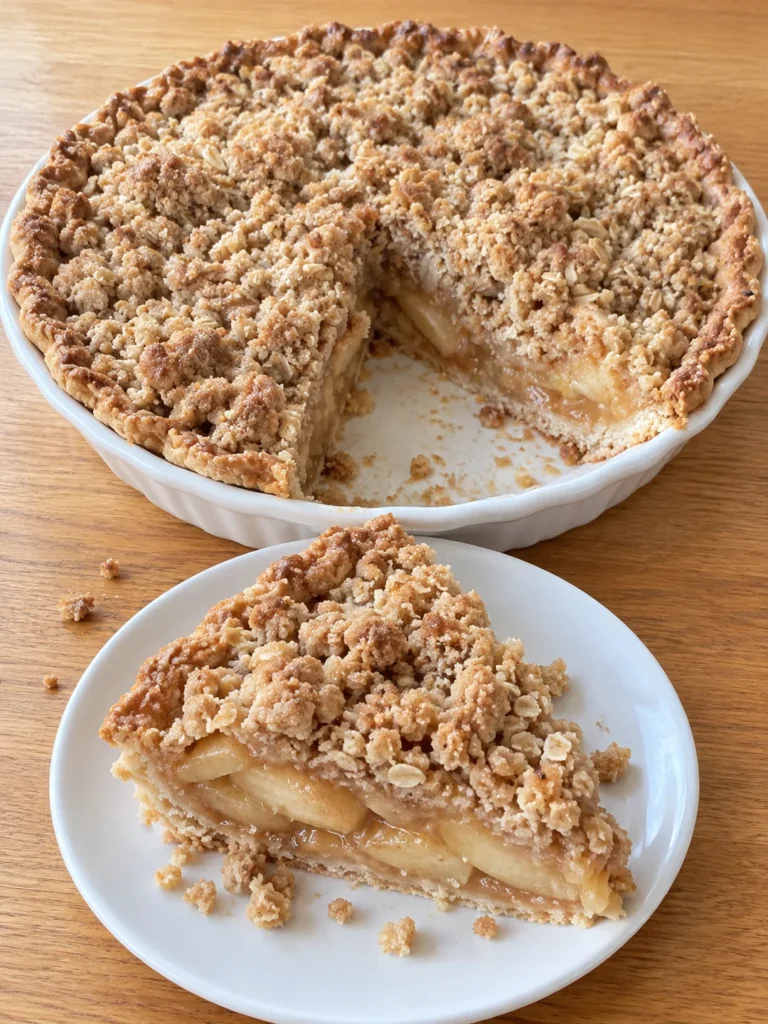
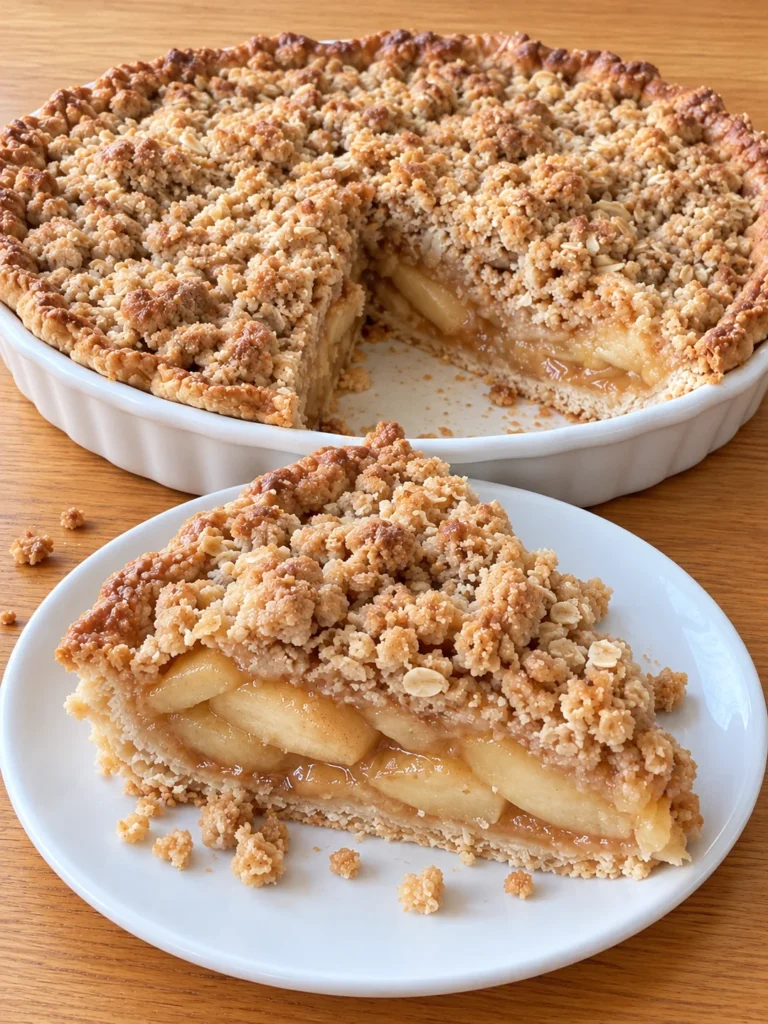
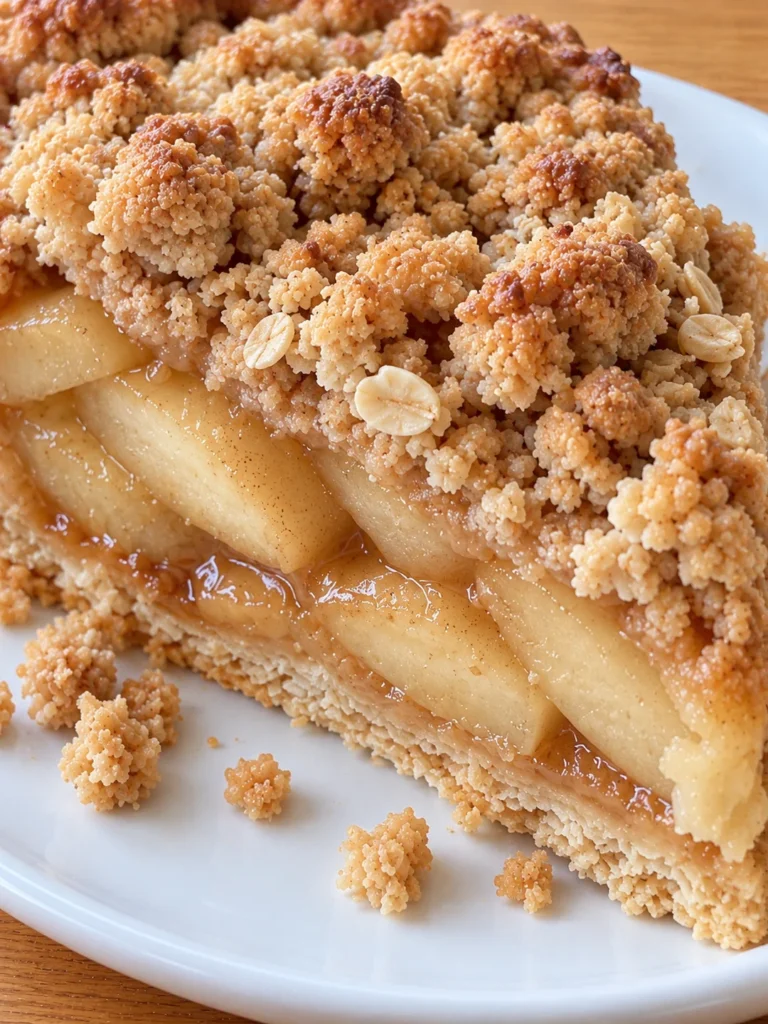
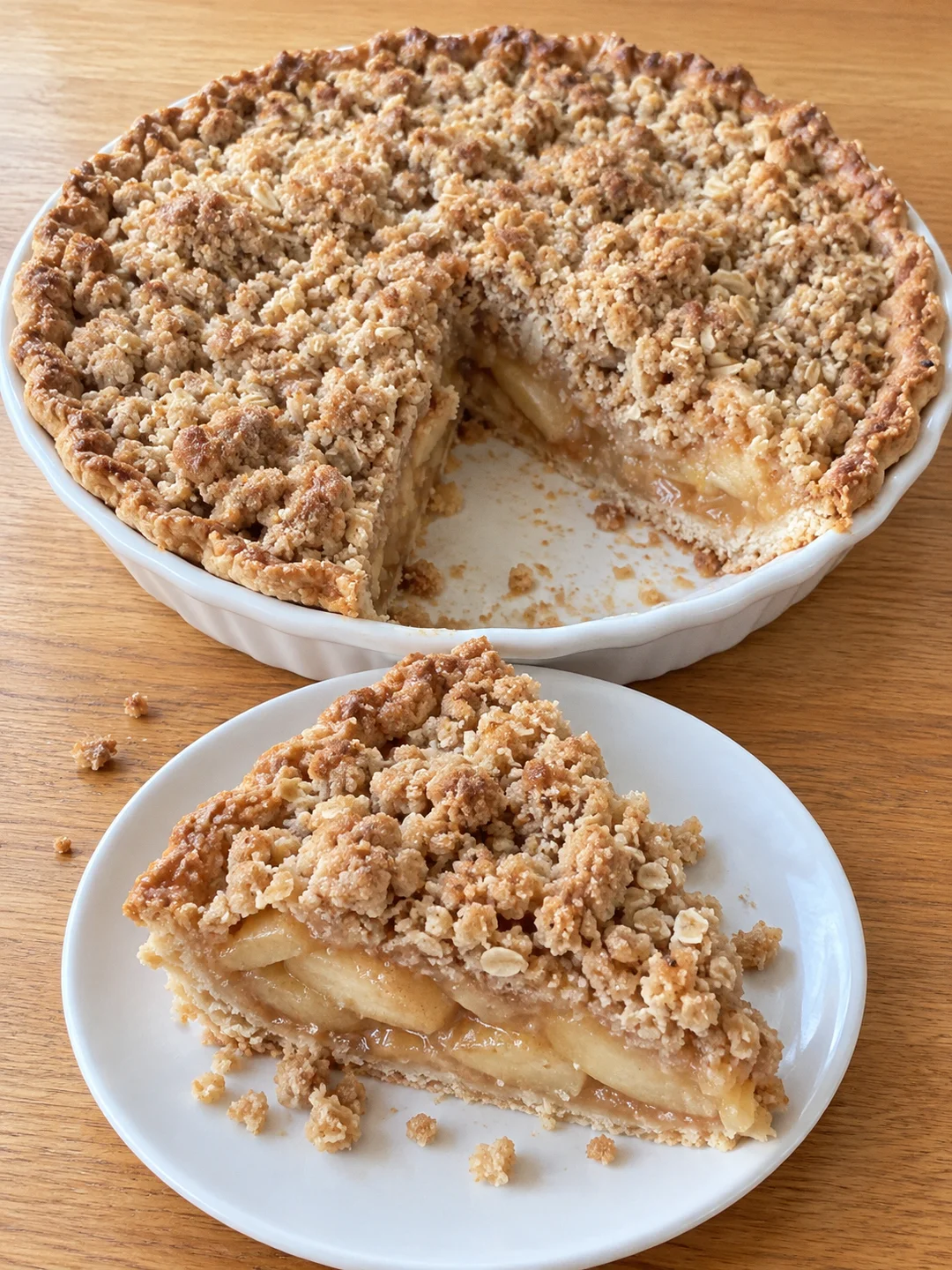
The slice he gave me stood up on the plate like a wedge of something architectural. The apples were in distinct slices, not sauce. The crumb on top was thick and oaty and had gone deep brown at the edges where the sugar caught.
What surprised me was how little sweet there was in it. Cinnamon first, then nutmeg, then apple, then sugar somewhere in fourth place. I had eaten supermarket dutch apple pie before and assumed the whole category was caramel-drenched and gummy. Dale laughed at that and said the caramel is a marketing invention.
He told me the trick while wiping down the pass. You cook the thickened syrup on the stove first, off the heat you fold the raw apple slices into it, and then it goes into the shell. The apples stay firm. The slice holds. No soup at the bottom.
I wrote that on the back of a parking receipt. Still have it somewhere.
Why It Is Called Pennsylvania Dutch Apple Pie When Nobody Involved Was Dutch
The Dutch in the name is a corruption of Deutsch. The pie belongs to the German-speaking settlers who came into southeastern Pennsylvania from the late 1600s onward, Palatine Germans along with Mennonite and Amish families, settling across Lancaster, Berks and Montgomery Counties.
They brought streusel with them. The buttery crumb they used on Streuselkuchen got moved onto open-faced pies, which is how you end up with crumb tops on shoofly, vanilla custard, sour cherry and apple. Pennsylvania’s huge nineteenth-century orchards did the rest.
So it has nothing to do with the Netherlands and nothing to do with appeltaart, which is a deep springform thing with a full pastry top. The defining feature here is the crumb over a single bottom crust. A lattice apple pie is not this pie, however you spice it.
The other thing I learned reading about it afterward is that pie was not special-occasion food in those households. It was baked by the half-dozen and eaten at breakfast and supper with coffee or cold milk, and carried to church and market and funerals. No second crust meant less rolling, and a firm filling meant it survived the wagon ride.
What I Used
- All-purpose flour and salt for the crust, nothing clever
- Cold lard, cubed, because that is what Dale used. Butter also works and I have done both
- Ice water, added a tablespoon at a time
- Tart firm apples, about two and a half pounds. Granny Smith, or Stayman or Winesap if you can get them
- Granulated sugar, less than you think
- Cook-type clear jel, which is the whole point
- Ground cinnamon, a lot of it, plus nutmeg grated fresh
- Lemon juice and a little salt
- Butter for the filling and more cold butter for the crumb
- Packed light brown sugar
- Quick-cooking rolled oats
Making It at Home in October
I ordered the clear jel online from a bulk-food store in Lancaster County, which felt like the right loop to close. It is what Amish and Mennonite bakers use and it gives the clearest, firmest slice. If you cannot find it, a third of a cup of flour whisked into the cold water gets you most of the way, and do not touch instant clear jel because it will not survive the oven.
The apples came from the farmers’ market on a Wednesday morning, Granny Smiths from a grower who also sells the best dried apricots I have had anywhere. I peeled and sliced all six of them with my one good chef’s knife, the one with the slightly loose rivet I keep meaning to fix. Quarter inch thick, roughly, and roughly is fine.
First attempt at this, back when I got home, I used Honeycrisp because they were in front of me. The filling went to applesauce under the crumb and the bottom crust turned to paste. Soft eating apples are the one shortcut that actually ruins it.
The stovetop step is the fun part. Water, sugar, clear jel, cinnamon, nutmeg and salt whisked cold so there are no lumps, then medium heat and constant whisking until it boils and goes glossy. It happens suddenly, around the five minute mark, and the whisk starts dragging.
Butter off the heat, then the raw apple slices folded in until every piece is coated in hot syrup. They only warm through. They stay firm.
Then the crumb, rubbed in with my fingertips until it clumps in wet-sand lumps with some pea-size pieces hiding in there. I had Bill Withers going on the kitchen speaker, loud, and I ate sharp cheddar and crackers standing at the counter the entire time the pie was in the oven, which is an hour and five minutes of standing around with your kitchen smelling like a bakery and a cinnamon jar had an argument.
Ten minutes at 400 F on a hot baking sheet to set the bottom, then down to 350 F for another fifty or so. The window was open because it was one of those warm October evenings here, and I could smell it from the sidewalk when I went out to move the car.
Swaps and Small Decisions
Melted butter in the crumb gives you crisper clusters and cold butter rubbed in gives you a sandier, finer topping. Both are traditional and I go back and forth depending on mood. Lately clusters.
Serve it warm and not hot, which means letting it sit at least an hour on a rack and ideally two. The filling needs that time. I have cut into it early out of impatience and it was still good, just messier, and I will probably do it again.
Vanilla ice cream is obvious. A wedge of sharp cheddar alongside is the old Pennsylvania habit and it genuinely works, the salt against all that cinnamon. Cold black coffee with it the next morning is how I eat the second slice most of the time.
One note. This is not Apple Schnitz Pie, the dried-apple church pie from the same communities, even though both sometimes get called by the same name.
I have made it six or seven times since that drive and the slice has stood up clean every time I used the right apples. It does not taste quite like Dale’s did, because nothing tastes like the first thing you eat after four hours of highway. Close enough that I keep making it.
Pennsylvania Dutch Apple Pie
Ingredients
Equipment
Method
- Make the crust. Whisk 1.25 cups flour with 1/2 teaspoon salt in a bowl. Cut in the cold lard or butter with a pastry blender or your fingertips until the largest pieces are the size of small peas. Sprinkle in the ice water 1 tablespoon at a time, tossing with a fork, until the dough just holds together when squeezed. Press into a disk, wrap, and chill 30 minutes.
- Roll the chilled dough on a lightly floured counter into a 12 inch round. Lift it into a 9 inch pie plate, settle it into the corners without stretching, trim the overhang to 1/2 inch, fold it under and crimp the rim with your fingers. Chill the shell while you make the filling. Do not prebake it.
- Peel, core and slice the apples 1/4 inch thick. You want about 6 generous cups. Toss them with the lemon juice and set aside.
- Make the cooked filling base. In a large saucepan, whisk together the cold water, granulated sugar, clear jel, 1.5 teaspoons cinnamon, nutmeg and 1/4 teaspoon salt until no lumps remain. Set over medium heat and whisk constantly until the mixture comes to a boil, turns glossy and thickens enough to coat the whisk, about 4 to 6 minutes.
- Take the pan off the heat and stir in the 2 tablespoons butter until melted. Add the raw apple slices and fold until every piece is coated in the hot syrup. The apples stay raw and firm here, they only warm through. This is the step that makes the slice sliceable.
- Preheat the oven to 400 F and set a rimmed baking sheet on the lower rack to catch drips.
- Make the crumb. Combine 1 cup flour, brown sugar, oats, 1 teaspoon cinnamon and 1/4 teaspoon salt. Rub in the cold butter cubes with your fingertips until the mixture clumps into coarse, wet-sand crumbs with some pea-size pieces. Do not work it into a paste.
- Scrape the apple filling into the chilled shell and mound it slightly in the center, pressing out any large air gaps. Scatter the crumb thickly and evenly over the whole surface right to the crimped edge. Do not pack it down.
- Set the pie on the hot baking sheet and bake at 400 F for 10 minutes to set the bottom crust. Reduce the oven to 350 F and bake another 45 to 55 minutes, until the crumb is deep golden brown and the filling bubbles slowly at the edges. If the crumb colors too fast, lay a loose sheet of foil over the top for the last 15 minutes.
- Cool the pie on a wire rack at least 1 hour, and 2 hours is better. The filling needs this time to set. Serve warm rather than hot.