
I came to Rio with a loose plan and a notebook, and the plan fell apart on the first afternoon. Not in a bad way. The light here does something to your schedule. You step out to do one thing and the sky goes gold over the water and suddenly you are sitting on a rock with a beer you did not intend to buy.
So this is five days in Rio de Janeiro arranged the way I actually did it, moving between the beach neighbourhoods, the old centre, the hills of Santa Teresa, and the bay at Urca. No rental car. Uber, the metro, the Santa Teresa tram, and a lot of walking. That worked fine.
Some of it is famous and lives up to it. Some of it is quieter than you would expect for a city this loud.
Day 1, Ipanema and the Water Around It
The first day stays close to the sand, which is the right way to arrive. Ipanema in the morning, a Sunday market in the square behind it, then inland to the lagoon where the city goes quiet for a stretch.
I saved the rock at Arpoador for the end of the afternoon, because everyone told me to and for once everyone was right. After that the day climbs, to Corcovado and then down into the gardens. It is a lot of ground but almost none of it feels like effort.
Ipanema Beach
Rio de Janeiro, Brazil Open in Google Maps Photo Credit to Sadam Jraibah
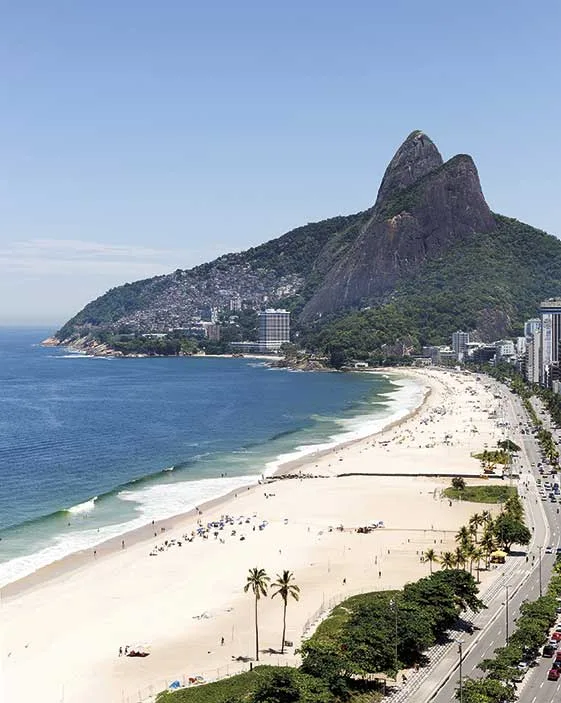
First thing, before the kiosks properly opened, the sand was still cold under my feet and almost white. Softer than I expected. That is the thing people say about Ipanema and it turns out to be literally true.
I rented a chair and umbrella from one of the numbered sheds and stayed put. A vendor came by with green coconuts, hacked one open, handed it over. Then another with beer, then another with sarongs. It is constant. If you are on your own and foreign you will get quoted a little high, so ask the price first and do not be shy about it.
The waves here are rougher than Copacabana around the corner, which is why the surfers stack up. Calmer crowd though, and the mountains sit right at the end of the beach like scenery someone hung there.
Easy to lose a whole morning. When I finally moved it was only a few blocks inland, past Visconde de Pirajá, to the square where the Sunday market sets up.
Feira Hippie de Ipanema
Praça General Osório – Ipanema, Rio de Janeiro – RJ, 22410-020, Brazil Open in Google Maps Photo Credit to Sadie M
Sundays only. I nearly got this wrong and turned up on a Saturday my first week, so learn from that.
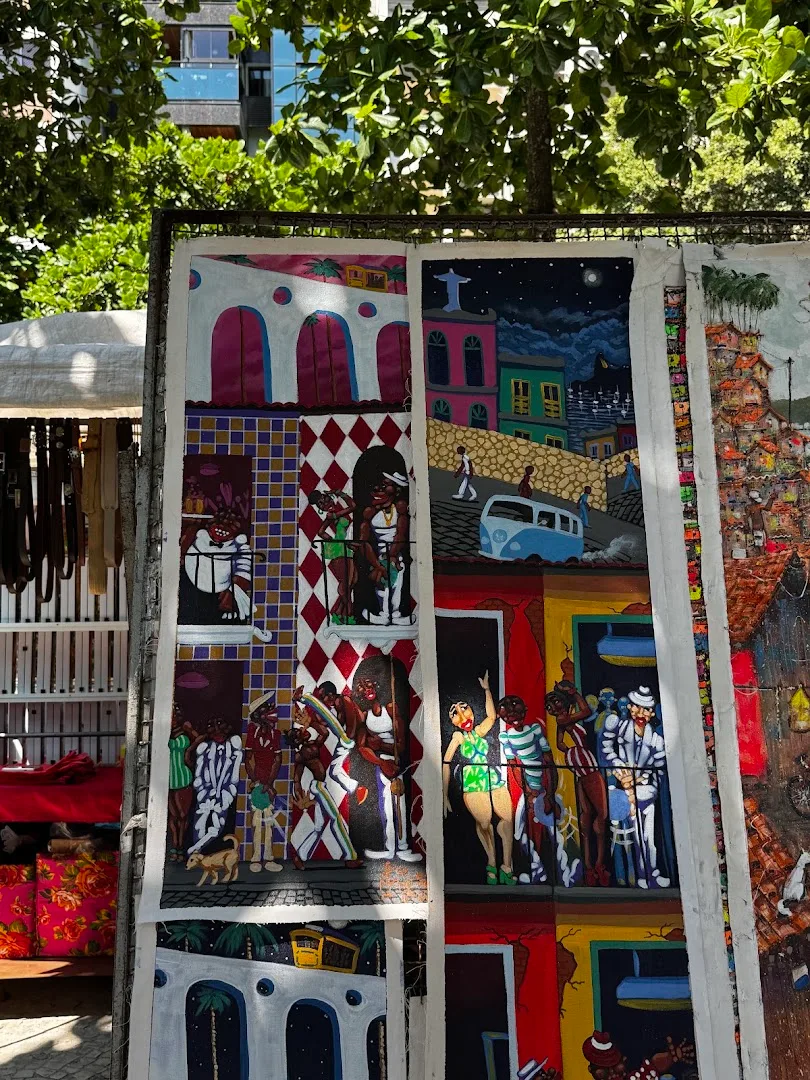
By the time I arrived, mid-morning after the beach, half the vendors were still unfolding tables in Praça General Osório and the other half had been trading for an hour. It runs until around six, which means there is no rush at all. Leather belts tooled by hand, batiks, stacks of small original oil paintings that are genuinely good and genuinely affordable. They wrap the canvases for you to fly home with.
Bring cash. You get a better price for it and you can haggle, which you cannot really do on card.
There is food from Bahia at the edges. The acarajé stand near the metro entrance on Visconde de Pirajá is the kind one, the people there were warm with me even though my Portuguese is embarrassing. The one across from the supermarket was not.
The square is fully exposed to the sun. By noon it is brutal. I drifted north from there toward the water on the other side, the lagoon.
Rodrigo de Freitas Lagoon
Lagoa, Rio de Janeiro, Brazil Open in Google Maps Photo Credit to Heloisa Prado
Ten minutes inland from Ipanema and the noise just stops.
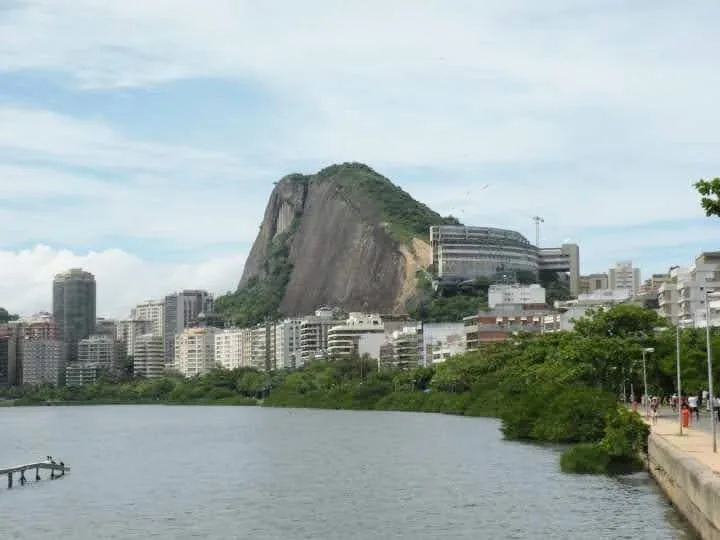
The lagoon sits in the middle of a triangle with Copacabana on one corner, Ipanema on another, and Corcovado floating above it all. There is a proper path the whole way round, split between cyclists and walkers. I rented a bike and did the full circuit, which took a couple of easy hours with a lot of stopping, because the view keeps changing as you go and I could not help myself.
Somewhere on the eastern side I found a capybara sitting in the grass like it paid rent. Nobody around me reacted.
Locals come here with wine and cheese in the late afternoon and sit on the bank for the sunset. I did not plan that and I regretted it. There is a small wooden dock along the path that everyone photographs, and honestly it deserves it.
From there I cut back down toward the sea, to the rocks at the end of Ipanema, in time for the light to start going.
Pedra do Arpoador, Where Everyone Goes Quiet
Av. Francisco Bhering, s/n – Ipanema, Rio de Janeiro – RJ, 22080-050, Brazil Open in Google Maps Photo Credit to Maurício Moreno
Get there early. Not early in the day, early for sunset. An hour before, minimum, or you are perched somewhere with a stranger’s head in the way.
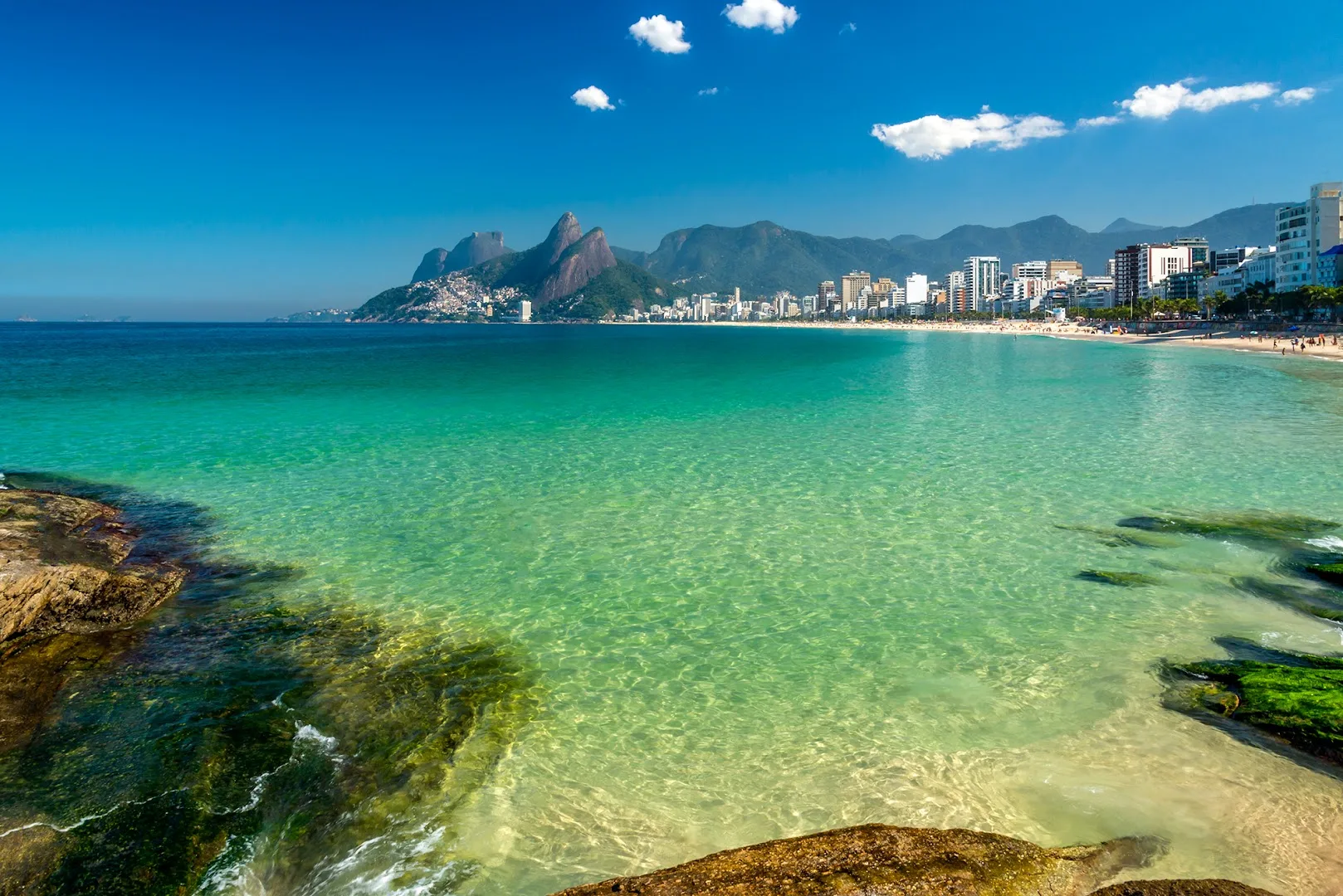
The rock sits exactly between Ipanema and Copacabana, so the sun goes down in front of you no matter what the sky is doing. The stone is pocked with tiny holes that hurt bare feet, so wear something on them, locals manage but I did not.
Someone came along the rocks selling cold beer and took card, which still strikes me as a small miracle. I sat with mine and watched the surfers, dark shapes going up and over, and the whole crowd of a few hundred people went noticeably quiet as the light dropped. Then applause. Actual applause.
It does get crowded and vendors will wander into your view. Keep a hand on your bag.
Stay a few minutes after. Walking back along Ipanema you watch the lights come on in the hills one by one.
Christ the Redeemer
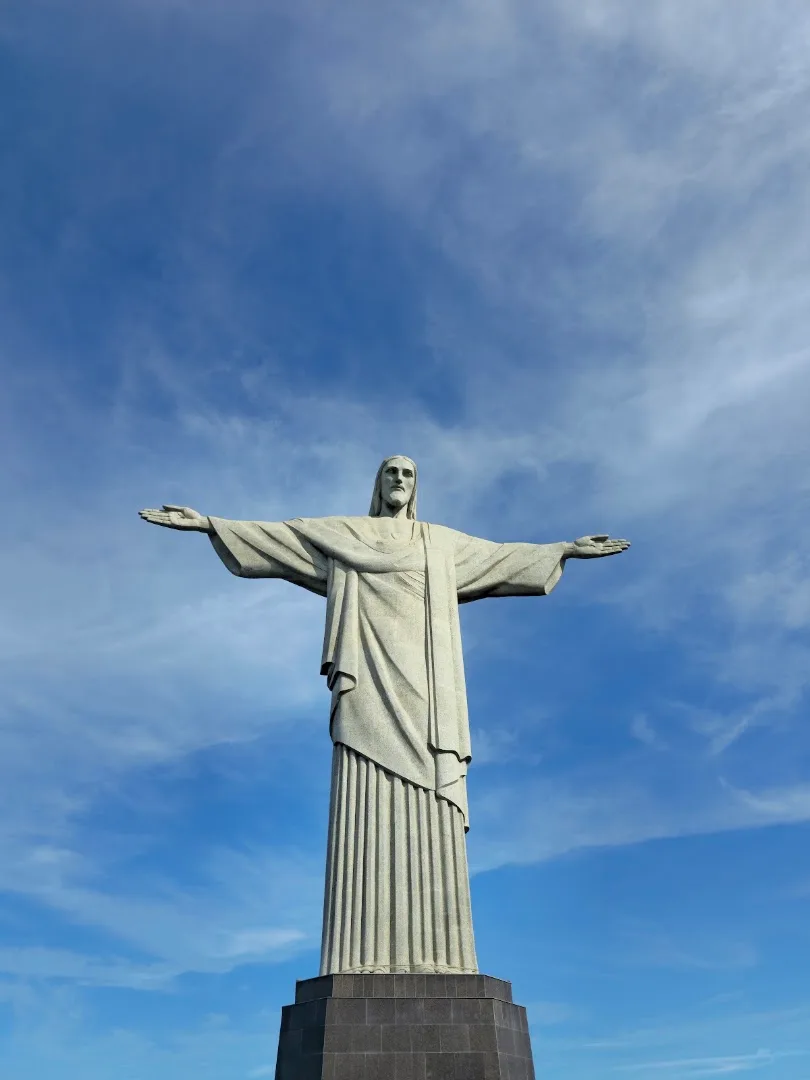
Parque Nacional da Tijuca – Alto da Boa Vista, Rio de Janeiro – RJ, Brazil Open in Google Maps Photo Credit to Keryson Patrick Oliveira Belarmino
I went up on the first train, the 7.30, which meant a bleary start and no regret at all.
The cog railway climbs through the Tijuca forest and it is half the experience, so sit by a window if you can. Book ahead. The queue at nine in the morning was already forty-five minutes and I watched it from the other side feeling smug.
At the top, thick cloud. I could see maybe ten metres. I waited, everyone waited, and then the fog peeled back in one slow movement and there he was, much bigger than he looks from the city below. Then the whole bay underneath. Sugarloaf, Guanabara, the beaches laid out flat.
There is a small chapel at the base of the statue that almost nobody goes into. It was the calmest ten minutes of my day.
Bring a bottle, there is free filtered water up there and it gets hot fast once the sun burns through. From Corcovado I went back down and over to the gardens at the foot of the hill.
Botanical Garden of Rio de Janeiro
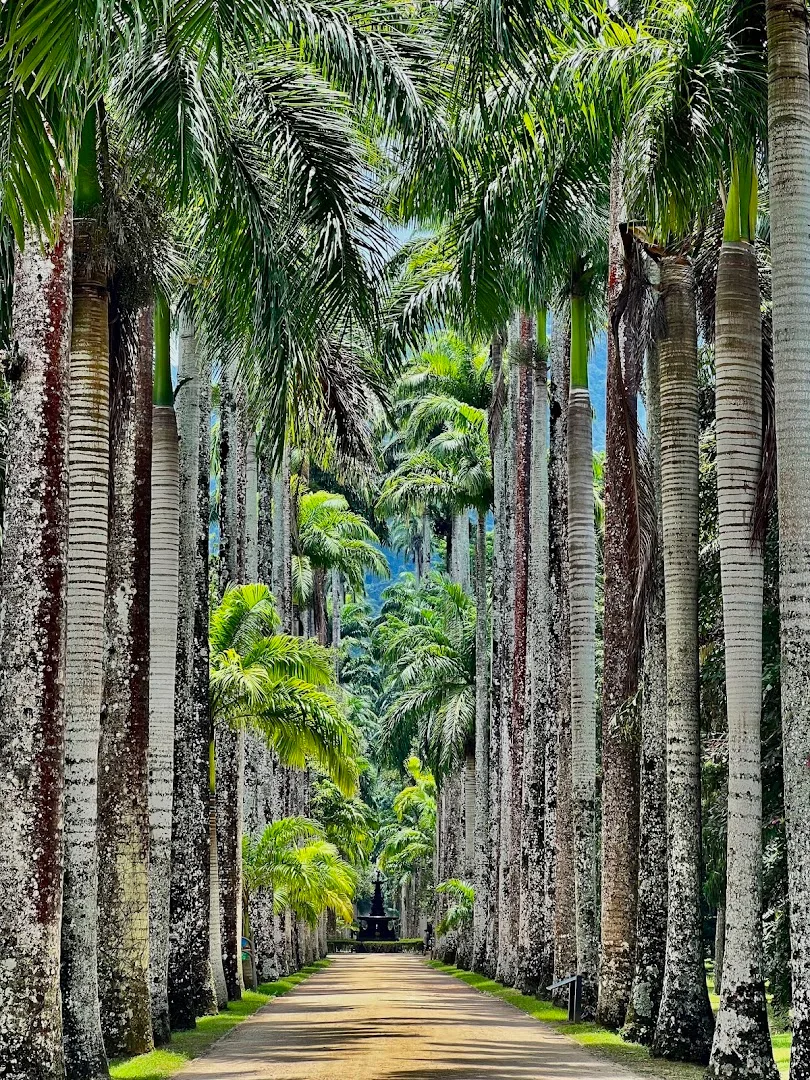
R. Jardim Botânico, 1008 – Jardim Botânico, Rio de Janeiro – RJ, 22460-030, Brazil Open in Google Maps Photo Credit to Emerson Zanoti
It is noticeably cooler inside the gate. Several degrees, I would swear to it, the trees are that tall and that dense.
I lost the rest of the afternoon here and did not mind. Take the map at the entrance, the place is bigger than it looks and it is very easy to walk straight past the lake with the giant lily pads. There were toucans making that hollow clacking sound somewhere above me, and marmosets in the palms that were much less shy than they should be.
Eighty reais to get in. Bring cash if you can, card worked for me but the machines are temperamental and Visa apparently fails more often than Mastercard. There is an ATM if it goes wrong.
If you reach the big central fountain, turn around. Christ the Redeemer lines up right over the palms from there. I stood in that spot until the light went amber and the parakeets started up, then walked out onto Rua Jardim Botânico and got a car back.
Day 2, A Long Lunch and the Old Centre
Day two starts with meat and ends with a museum shaped like a white spine on the water. In between there is a viewpoint up in the Tijuca forest where the monkeys outnumber the people.
The afternoon belongs to Centro, which is grand and slightly worn and full of buildings that were built to impress somebody a hundred years ago. I liked it more than I expected to.
Braseiro da Gávea
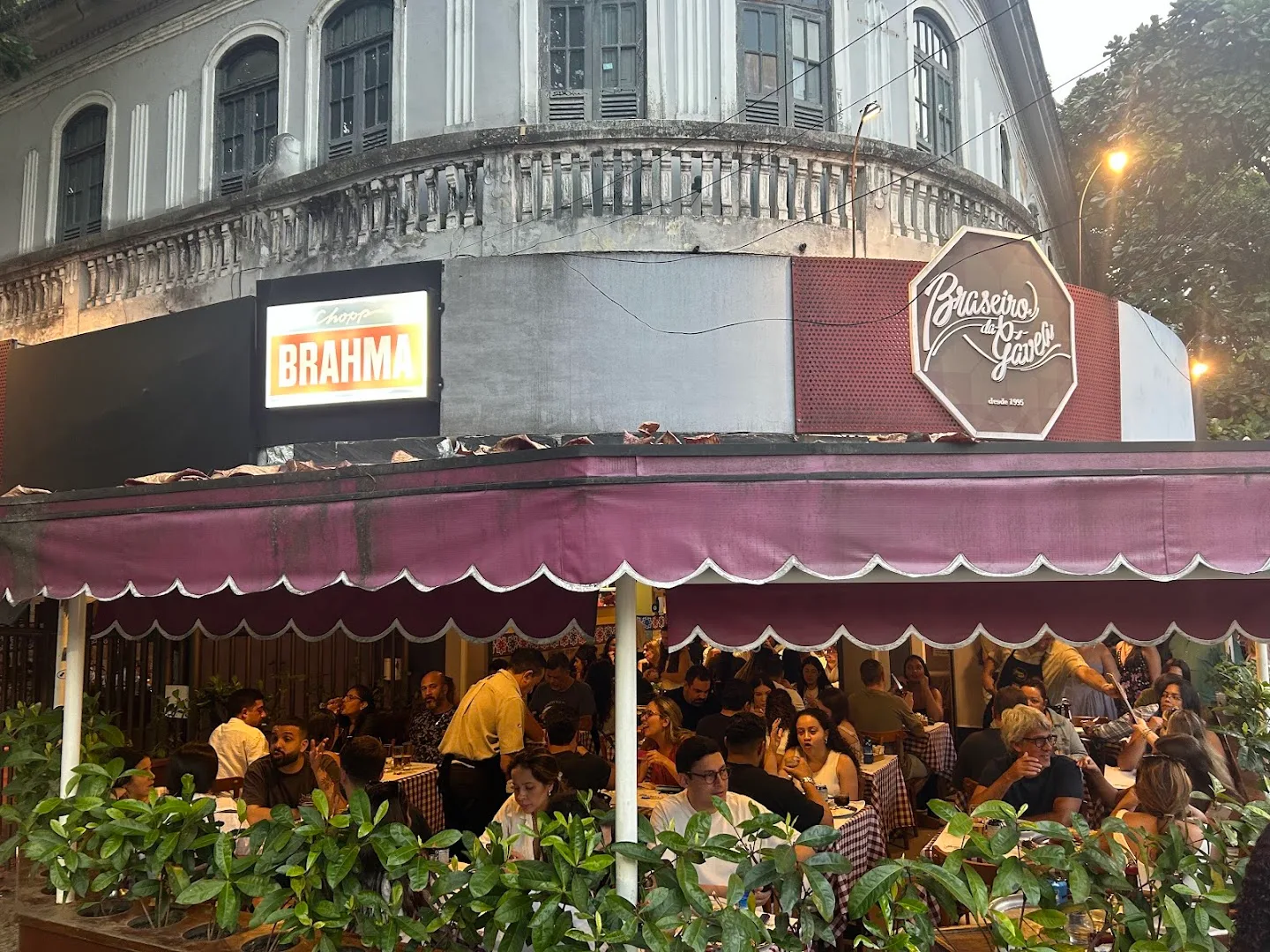
Praça Santos Dumont, 116 – Loja A – Gávea, Rio de Janeiro – RJ, 22470-060, Brazil Open in Google Maps Photo Credit to R.P
I arrived just before opening and there was already a queue down the side of Praça Santos Dumont. That is normal. It moves, and there are bars either side where you can stand with a drink while you wait, which is a very civilised system.
The picanha à brasileira came out on a board with an egg, farofa with banana, broccoli rice and chips, and it is enough for two people and arguably three. The farofa de banana is the thing I still think about. Sweet and crisp and salty all at once.
It is loud. Properly loud, the kind of place where conversation is not really the point and the table next to you is shouting about football. I ate half of it, gave up, and ordered a strawberry caipirinha that was much stronger than it tasted.
Then I went up, into the Tijuca forest, toward the pagoda at Vista Chinesa.
Vista Chinesa
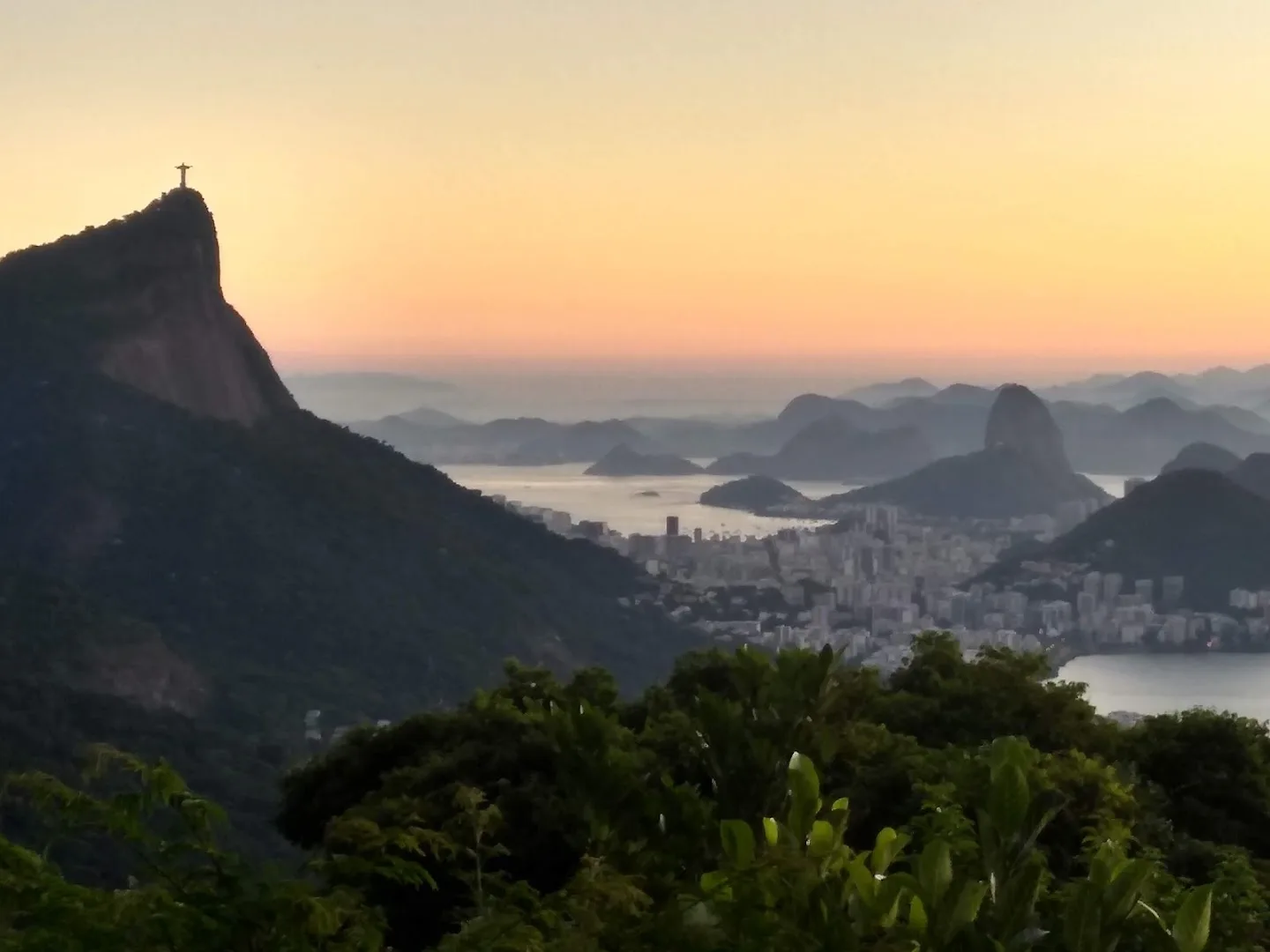
Estr. da Vista Chinesa, S/N – Alto da Boa Vista, Rio de Janeiro – RJ, 20531-590, Brazil Open in Google Maps Photo Credit to Ivo Barra
Hardly anyone up here. After the racket of lunch it felt almost rude to speak.
The pagoda itself is concrete and a bit shabby up close, and if you came expecting something delicate you will be disappointed. But you did not come for the pagoda. The platform looks out over the whole southern city, Christ on one hilltop, Sugarloaf on the other side of the bay, the lagoon glinting in the middle of it. There is a sign showing you which peak is which, which is genuinely useful on a hazy day.
Five monkeys came along the rail while I sat there. Nobody else was watching.
You can drive up and park easily, or walk the three kilometres of road, which cyclists were grinding up in the heat while I felt guilty in a car. Take water either way, the forest holds the humidity.
From the hill I went down into Centro, to a café that has been there since long before any of this.
Confeitaria Colombo
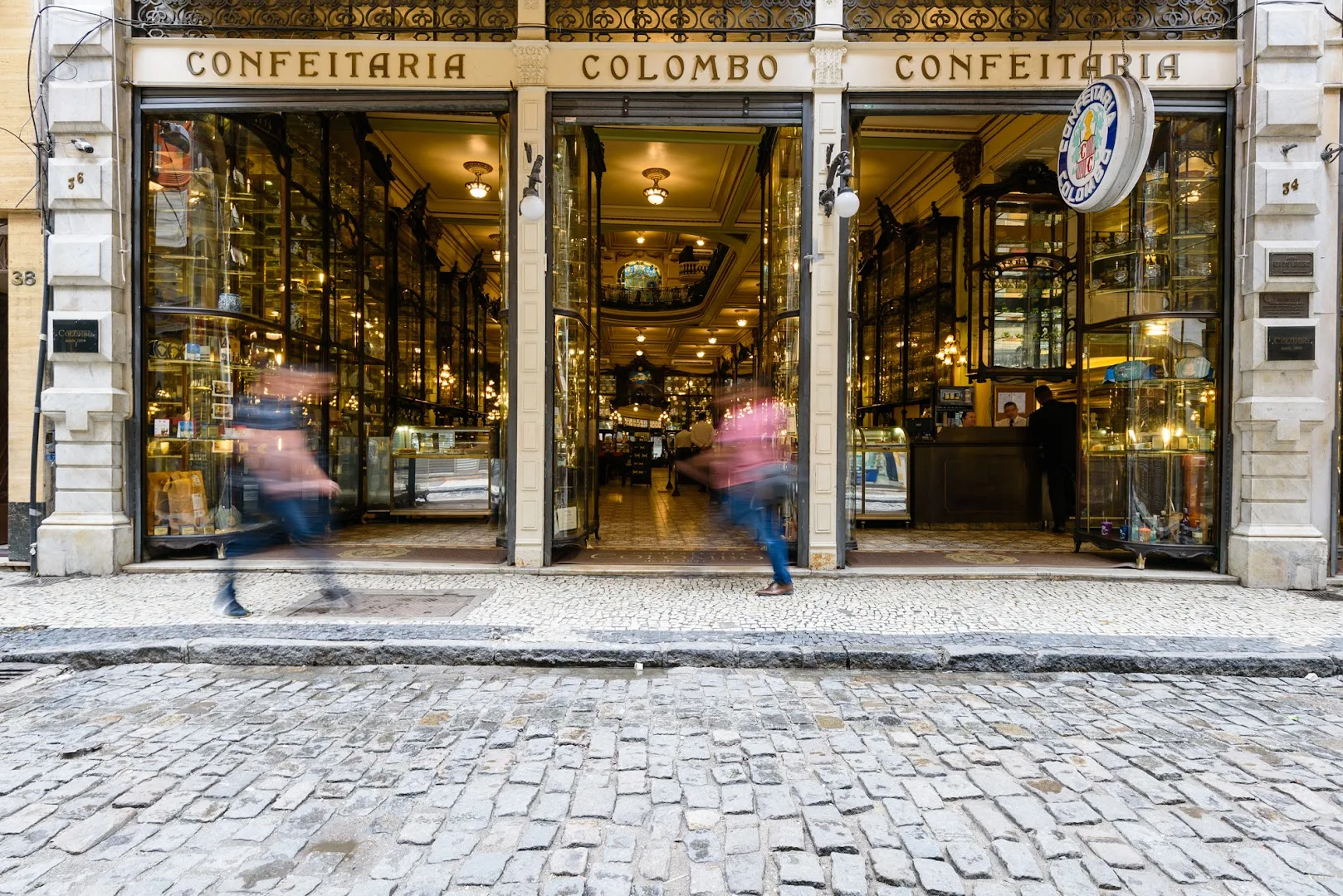
R. Gonçalves Dias, 32 – Centro, Rio de Janeiro – RJ, 20050-030, Brazil Open in Google Maps Photo Credit to Confeitaria Colombo
The mirrors are the thing. Enormous, foxed at the edges, facing each other so the room doubles and doubles again. You walk in off Rua Gonçalves Dias and the year changes.
I will be honest about it. The food is not why you come. I had a coffee with thick cream and a couple of pastries and the coffee was good and the pastries were sweet to the point of being one-note. Friends of mine had lunch here and found it expensive and ordinary. The savoury fried things are best skipped.
But sit upstairs on the balcony with a cappuccino and watch the room, and the waiters who have clearly worked here for thirty years moving between the tables, and it earns its reputation a different way.
There is a house photographer who will approach you. You can say no. Lunch service stops sharply at four, so do not cut it fine like the family at the next table did.
Two streets over there is a library I had been waiting to see.
Real Gabinete Português de Leitura
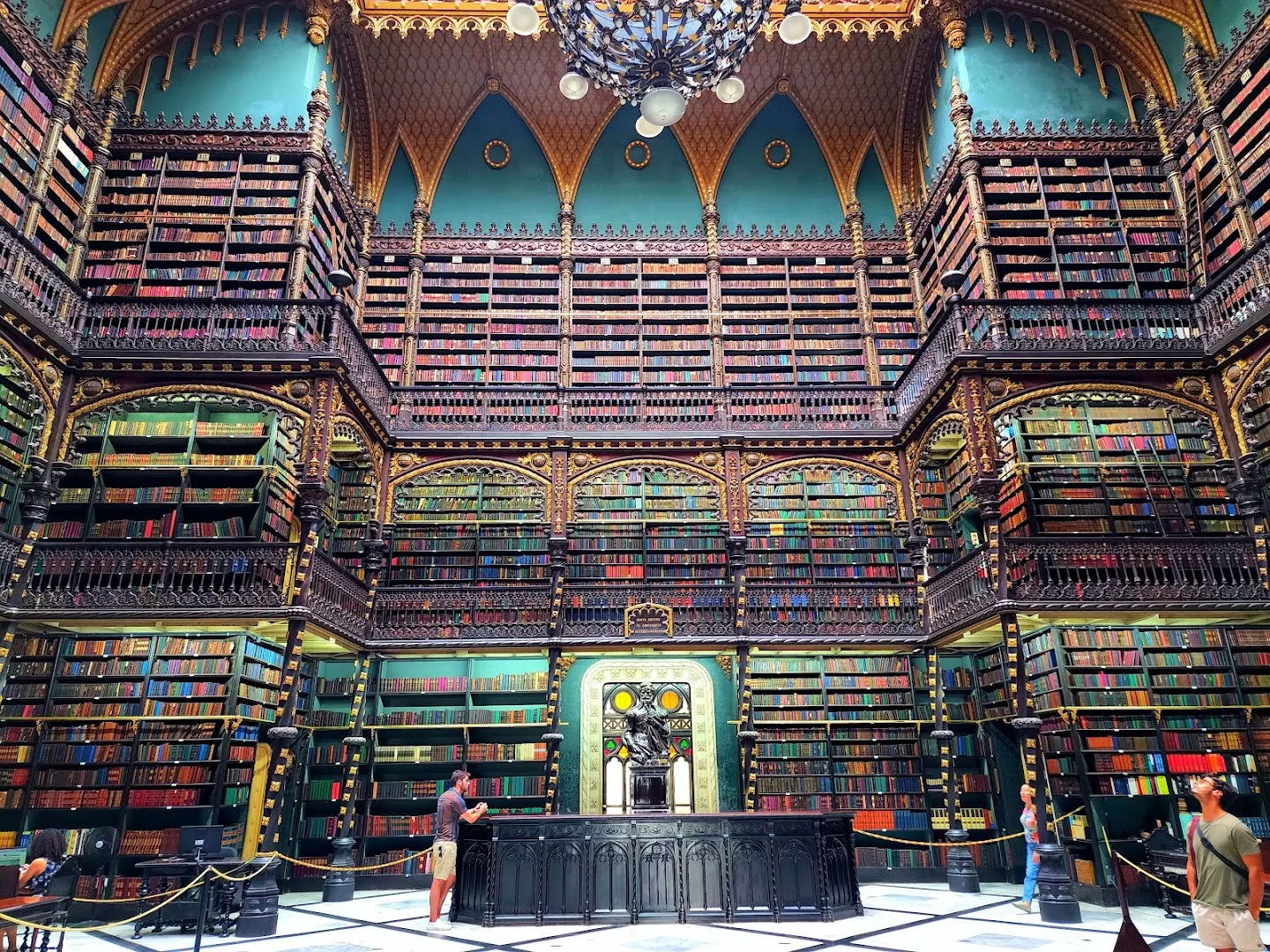
R. Luís de Camões, 30 – Centro, Rio de Janeiro – RJ, 20051-020, Brazil Open in Google Maps Photo Credit to Alexander Carlos Mendonça
Free, and it takes twenty minutes, and it is one of the best twenty minutes in the city.
The facade on Rua Luís de Camões is neo-Manueline, all carved stone and Portuguese flourish, and it stops you before you even go in. Inside is one room. Just one. Three storeys of dark wood shelves packed to the ceiling with old books, a stained glass skylight throwing colour down the middle, and a hush that everybody respects for about ten seconds before the phones come out.
You cannot handle the books. It is a looking place, not a reading place, whatever the two lonely tables suggest.
I went at ten on a weekday and walked straight in. By the afternoon there was a line wrapped along the pavement. Later in the day it also fills with people spending several minutes arranging themselves for photographs, which is its own kind of entertainment but not what I came for.
Go early. Then walk down toward the water, to the old square by the ferry terminal.
Praça XV de Novembro
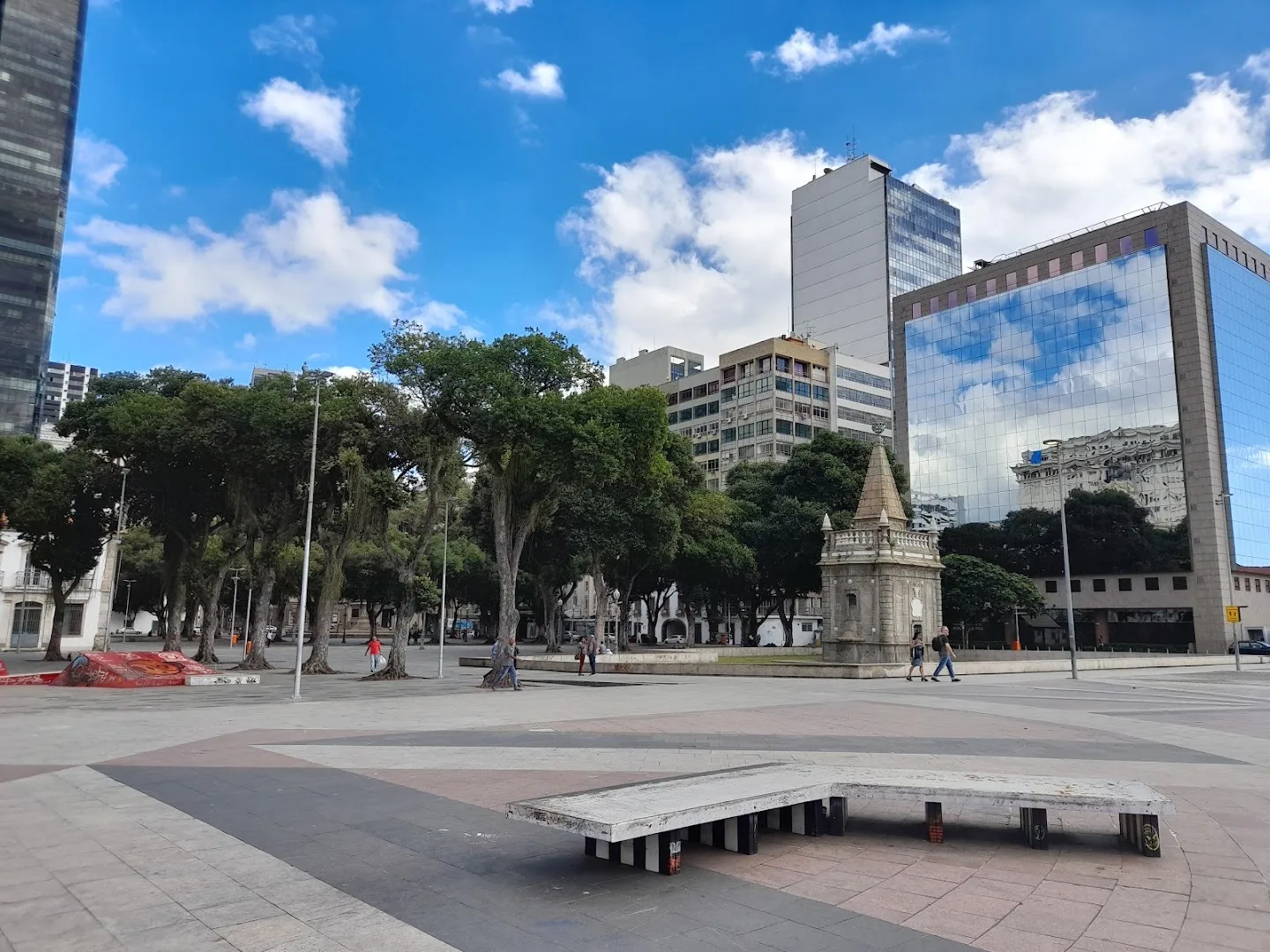
Praça Quinze de Novembro – Centro, Rio de Janeiro – RJ, 20010-020, Brazil Open in Google Maps Photo Credit to diego fabian
A square where four different centuries are happening at once.
The modern tram slides through it. Behind, the Igreja de Nossa Senhora do Carmo. Off to one side the Arco do Teles, a low colonial arch you walk under into a warren of narrow lanes with old bars packed into them. There is a fountain in the middle that people sit on, and skaters using the flat stones, and the ferry to Niterói pulling in and out at the edge.
Saturday mornings there is an antiques market here. Vinyl, clothes, small furniture, food stalls. I caught it by accident and spent longer than planned turning over records I had no way of carrying home.
The Imperial Palace is on the square and it is free to go in. Very plain for a palace, honestly, but if you have any interest in how Brazil got from empire to republic it is worth half an hour.
I drifted north along the waterfront after that, toward the white thing on the pier.
Museu do Amanhã
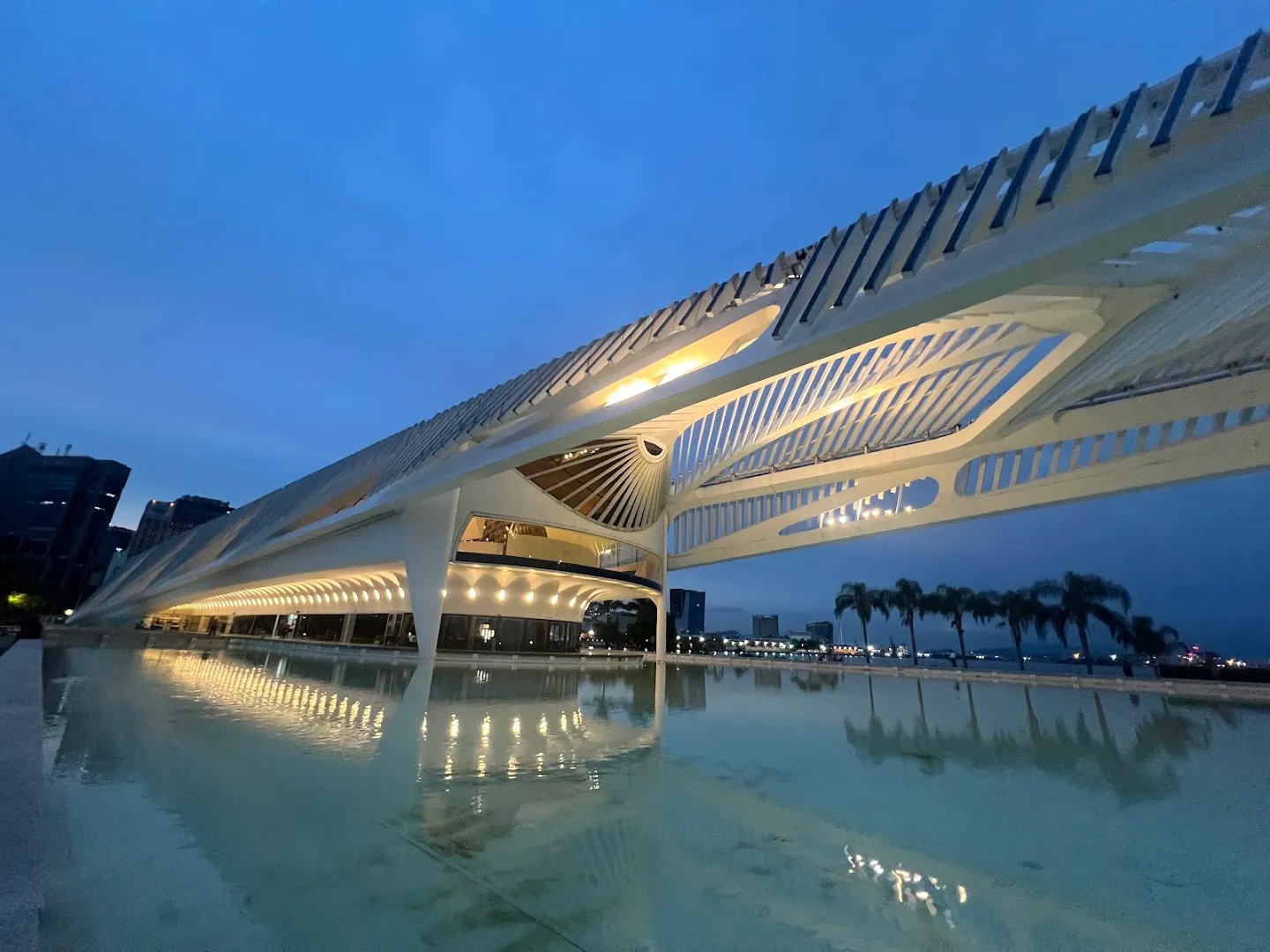
Praça Mauá, 1 – Centro, Rio de Janeiro – RJ, 20081-240, Brazil Open in Google Maps Photo Credit to Lenara Hanisch
You see it before you reach it. Long white spines reaching out over Guanabara Bay on Praça Mauá, and shallow reflecting pools around the base that double the whole building.
Inside, late afternoon, the sun came through the huge windows and laid stripes across the floor and the exhibits. That is what I remember most, more than any single display. It is about climate, the future of the planet, where we are going. Interactive rather than object-based, so you walk through and things respond to you.
Not everything is in English, and the translation card they hand out did not work properly for the couple ahead of me. Ask before you go in whether the system is running.
My favourite piece was two long scarves twisting together in a column of moving air. Simple and completely absorbing. I watched it far too long.
You can spend two hours or forty minutes depending on your patience with abstraction. I walked out along the water at dusk with the city lighting up behind me and called it a day.
Day 3, Lapa, the Steps, and Santa Teresa
This is the day the city shows off its colour. An opera house that thinks it is in Paris, a samba house in an old mansion, a staircase covered in tiles from sixty countries.
Then up the hill to Santa Teresa on the old tram, which involves a queue and a certain amount of patience. Ruins with a view, and feijoada to finish. The evening up there is soft and a bit bohemian and worth staying for.
Theatro Municipal do Rio de Janeiro
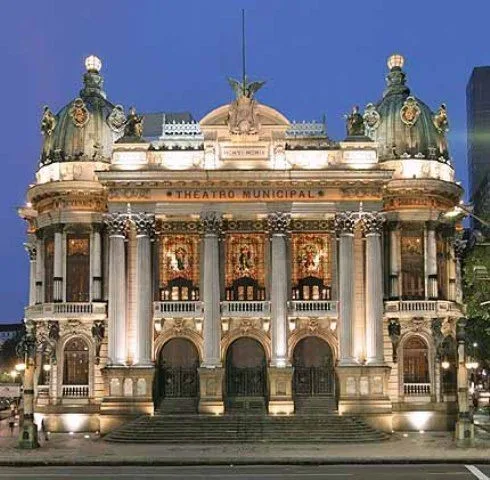
Praça Floriano, S/N – Centro, Rio de Janeiro – RJ, 20031-050, Brazil Open in Google Maps Photo Credit to Ralph Schmidt
Morning, before the centre properly wakes up, and the two domes on Praça Floriano catch the light first.
It was modelled on the Palais Garnier and it does not pretend otherwise. Marble, mosaic, stained glass ceilings, a staircase built entirely for the purpose of being descended. From the outside it is worth a slow circuit on foot, the carving repays it.
To get inside as a regular visitor you need the guided tour, twenty reais, about an hour, and it runs at set times on set days so check before you turn up. I did not, the first time, and stood outside feeling foolish.
Better still, look at what is on. A concert or a ballet in that room is a different proposition entirely, and the air conditioning works, which in this city matters more than it should.
The area around it is a mix of grand buildings and neglected corners. That is just Rio. From here it was a short walk over to Lavradio for the evening.
Rio Scenarium
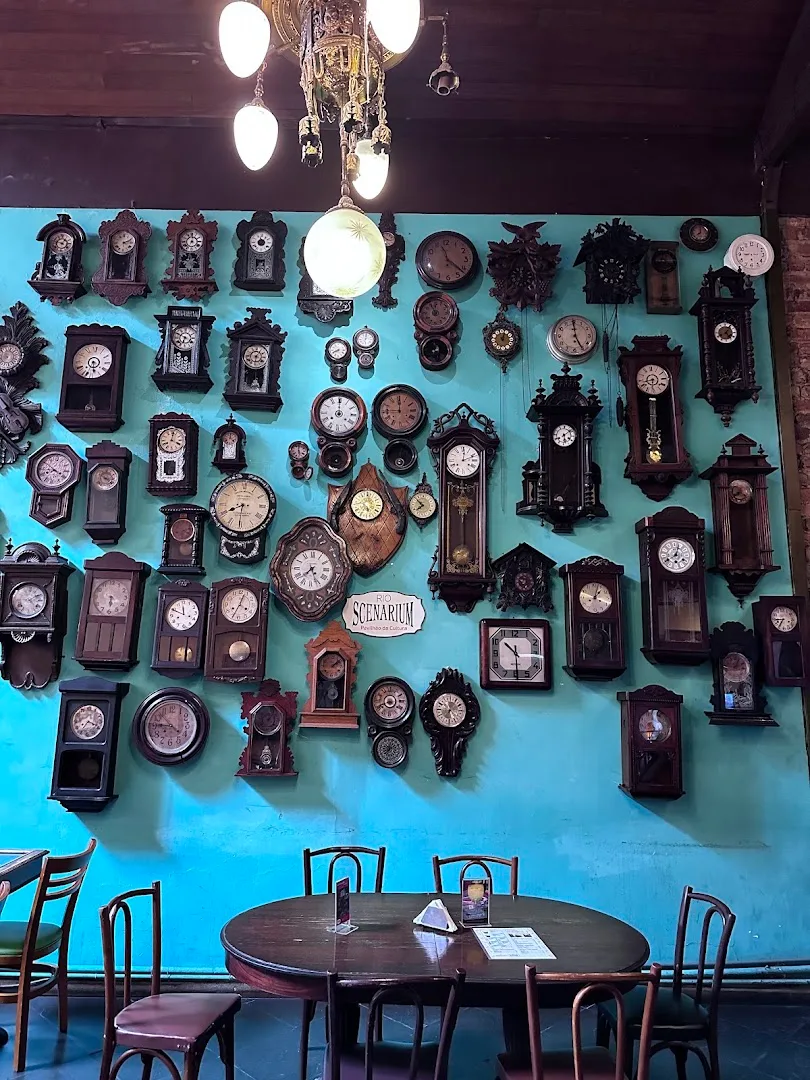
R. do Lavradio, 20 – Centro, Rio de Janeiro – RJ, 20230-070, Brazil Open in Google Maps Photo Credit to Gerson Ferreira
An old mansion on Rua do Lavradio stuffed floor to ceiling with junk. Clocks, mannequins, bicycles hanging from beams, three floors of it. It should be unbearable and instead it works completely.
Get there early enough to claim a table on the ground floor with a view of the dance floor, because that is where the whole thing happens. Live samba, a full band, and the crowd is every age. I watched a couple in their seventies dance better than anyone else in the room for about forty minutes straight.
Fifty reais on the door, thirty-five if you buy online first, which I did not know and wish I had. Cocktails were reasonable and arrived fast. The food is better than it needs to be, we had steak and a lemon caipirinha and chocolate cake and nobody complained.
I took an Uber and it dropped me two minutes from the door. Felt fine.
The next morning I walked over to the steps, which are ten minutes up the hill from here.
Escadaria Selarón
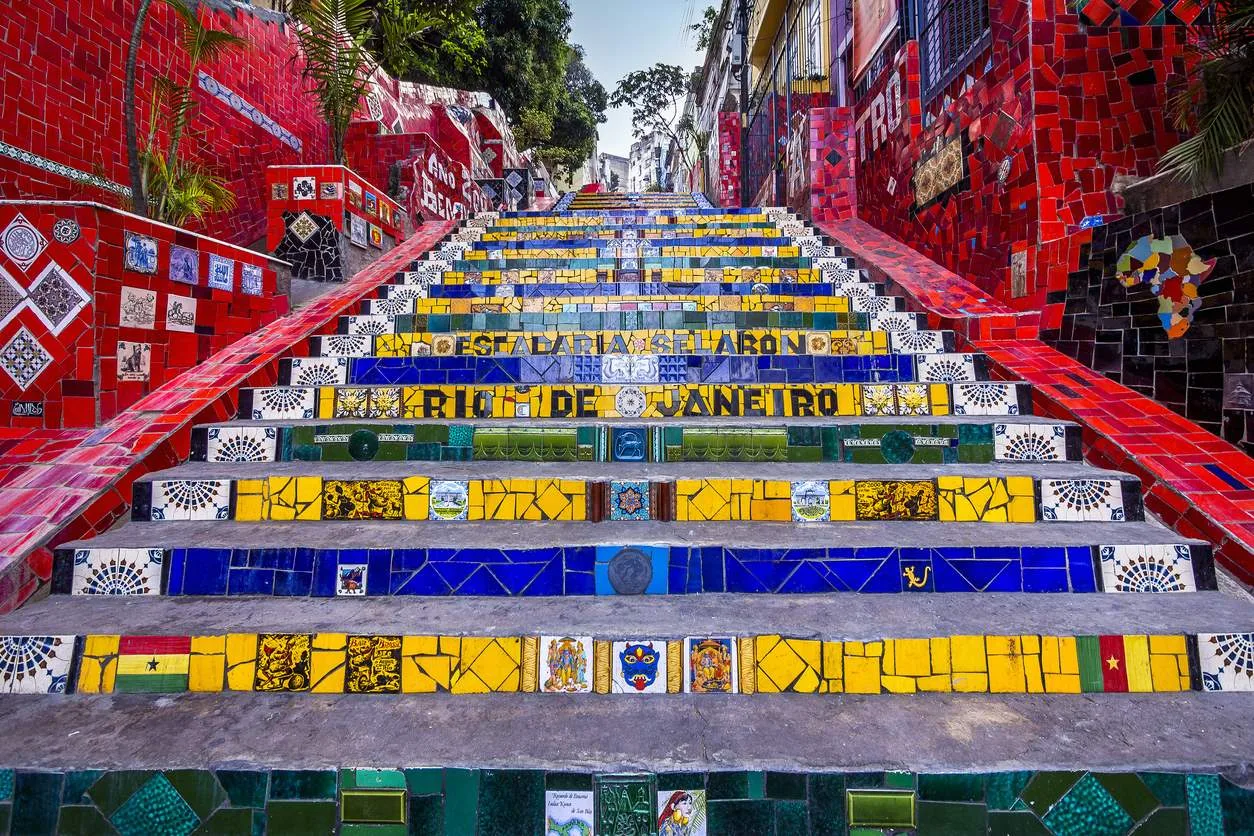
R. Manuel Carneiro – Santa Teresa, Rio de Janeiro – RJ, 20241-120, Brazil Open in Google Maps Photo Credit to Imanol Gallego
Go early. By eleven it is a scrum and there is a literal queue at the bottom of people waiting their turn for the same photograph.
The staircase runs up between Lapa and Santa Teresa, off Rua Manuel Carneiro, and every step and wall is tiled with pieces sent from around sixty countries. Selarón spent decades on it. Some tiles are hand-painted, some are souvenirs from cities you recognise, and if you stop moving for a second and actually look you start finding them.
It rained the morning I went and I thought it was ruined. It was not. Wet tiles go glossy and the reds and blues get louder against a grey sky, and the sound of rain hitting ceramic is lovely.
Walk to the top. The crowds thin, the photos are better, and the drinks from the stalls up there are cheaper than at the bottom.
Getting a car afterwards can take a while, so I walked on toward the tram station instead.
Station of Santa Teresa Trams
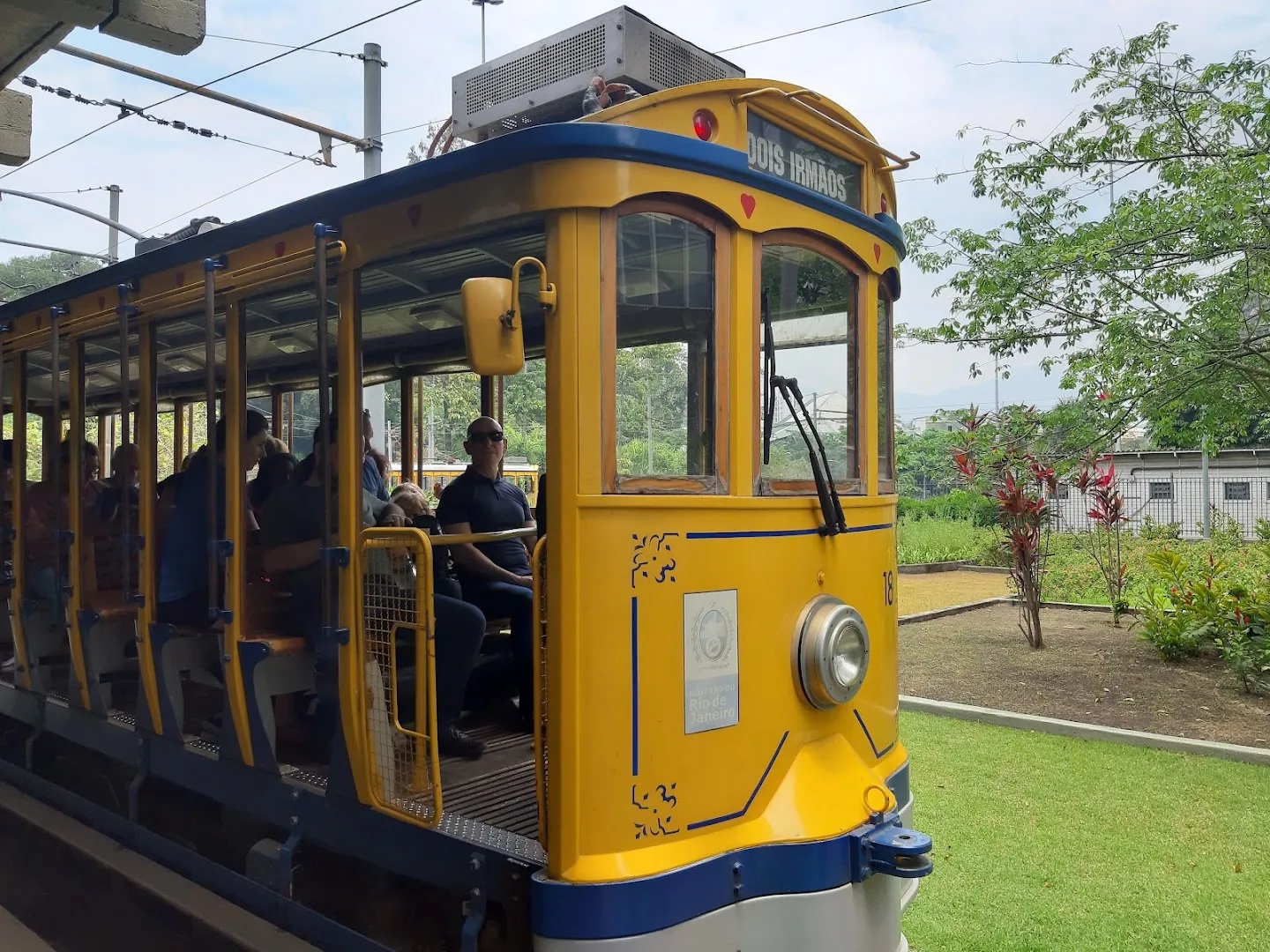
R. Lélio Gama, s/n – Centro, Rio de Janeiro – RJ, 20031-080, Brazil Open in Google Maps Photo Credit to Alvise Weisz
The bonde is either charming or a waste of half your day and the difference is entirely what time you show up.
I went back a second morning, first thing, just after it opened at eight, and walked straight on. No queue at all. Twenty reais return. The afternoon before I had looked at the line snaking out of the station on Rua Lélio Gama, well over a hundred people, and given up. Residents have priority and skip the queue, quite rightly, so the maths never works in your favour.
The ride itself is short and open-sided and rattles up over the old aqueduct and through the streets of Santa Teresa with the bell clanging. Graffiti, crumbling mansions, laundry. Worth it.
On weekends it sometimes only runs to the first stop, so ask when you buy the ticket. I watched a couple work that out the hard way with a translation app.
Get off at Largo dos Guimarães and wander from there.
Parque das Ruínas
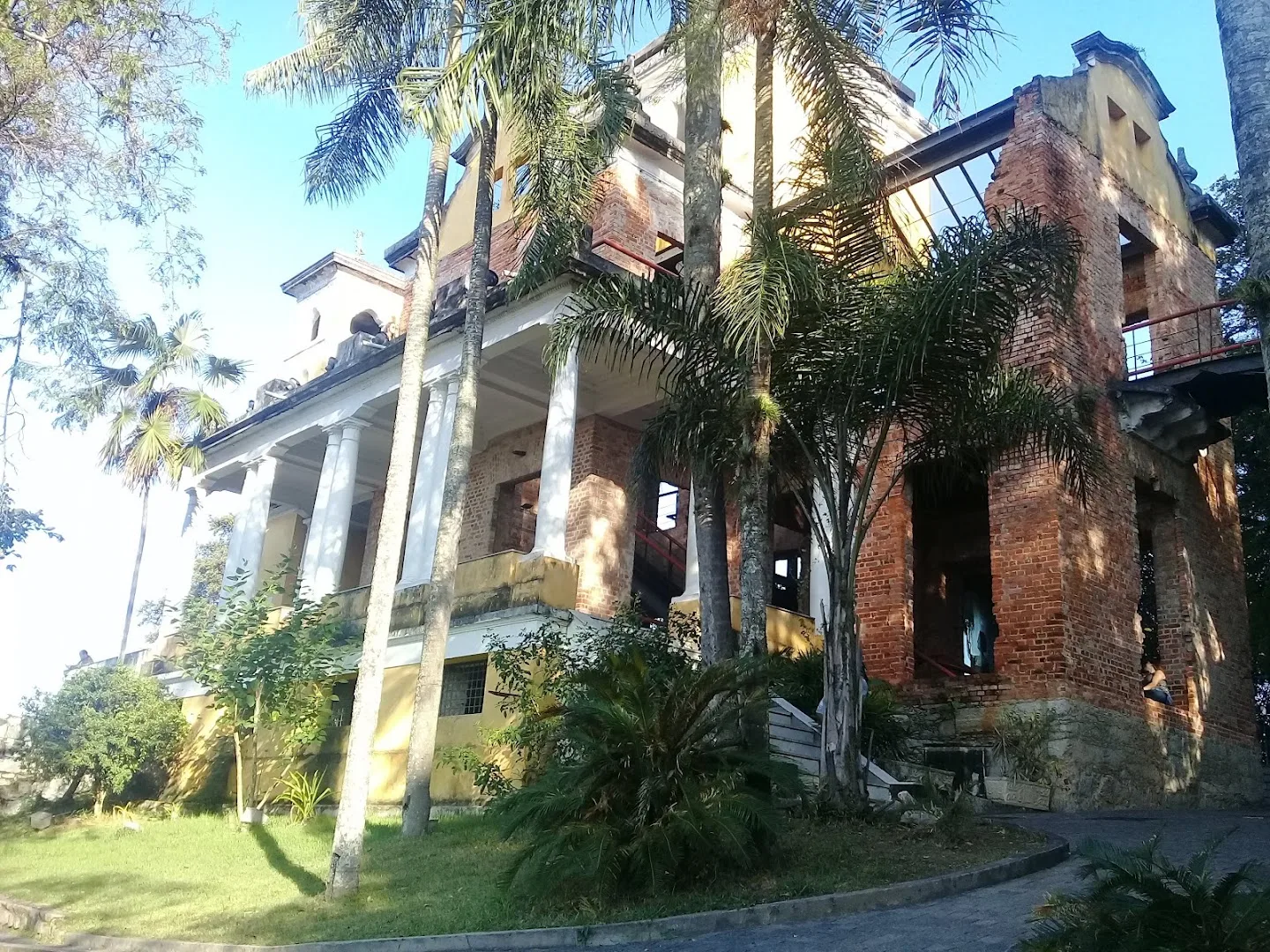
R. Murtinho Nobre, 169 – Santa Teresa, Rio de Janeiro – RJ, 20241-050, Brazil Open in Google Maps Photo Credit to André Marcelo de Lourdes
A mansion that was left to fall apart and then had steel walkways built up through the middle of the shell. You climb inside the ruin.
From the top platform on Rua Murtinho Nobre the view goes two ways, downtown and the bay on one side, Sugarloaf standing there on the other, and Christ on his hill behind you. It is free. There is an art gallery in the lower level and a small outdoor café where I had a coffee in the shade for a while with nobody bothering me.
It is a climb to get up here from the steps, uphill on cobbles in the heat. That is the only mark against it.
Check the closing time before you come. I nearly got caught out and had to rush the last room.
Go on a clear day if you can pick one, the whole thing is about the view and haze flattens it. Dinner was five minutes further along the ridge.
Bar do Mineiro
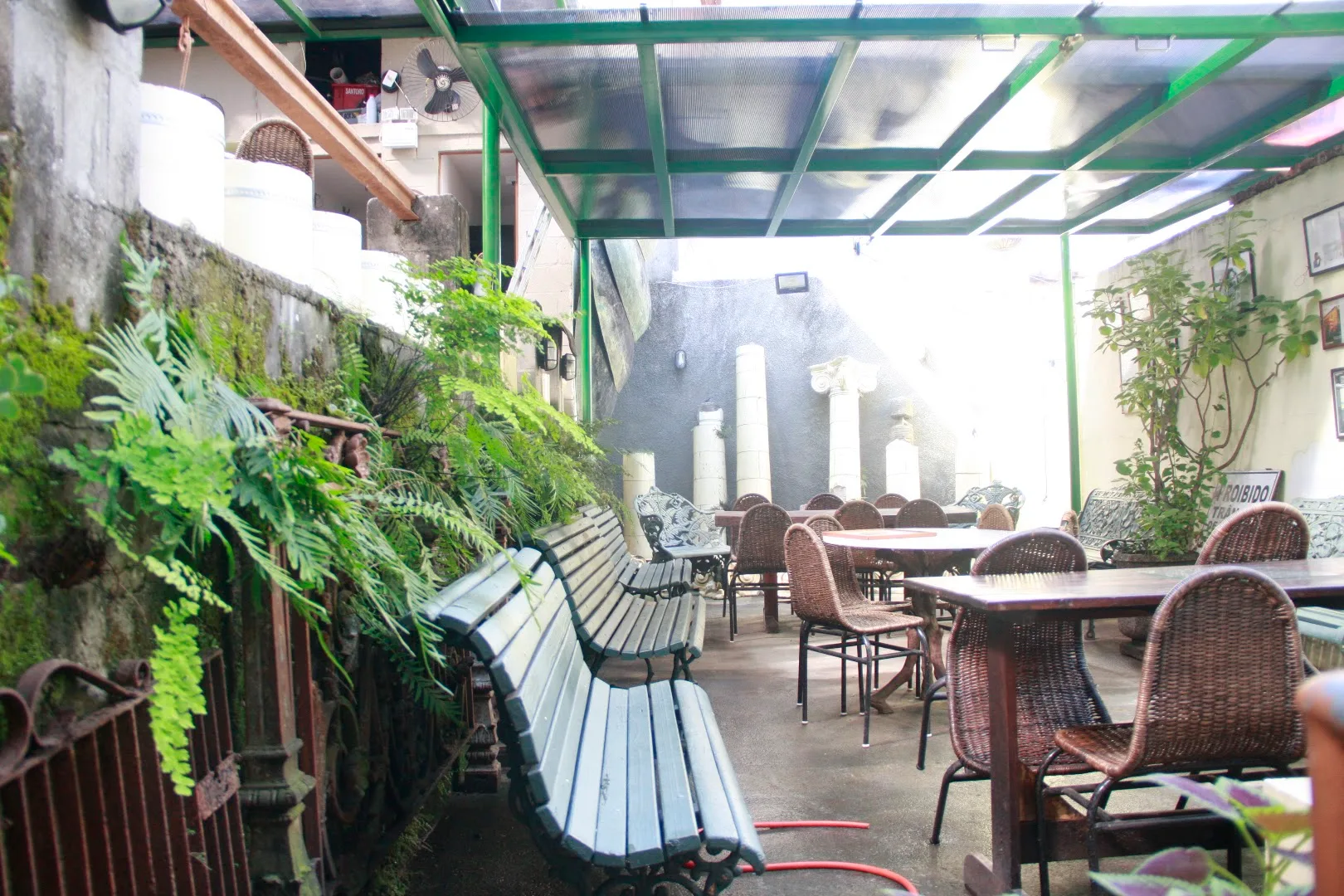
Rua Paschoal Carlos Magno, 99 – Santa Teresa, Rio de Janeiro – RJ, 20240-290, Brazil Open in Google Maps Photo Credit to Bar do Mineiro
Early evening, walls covered in old photographs and cachaça bottles, and the room already full.
The feijoada is the reason to be here. Black beans cooked down with beef and pork, rice, garlic-fried couve, farofa with crisp pork belly on top, and slices of cold orange that cut straight through the richness. It is heavy and deeply savoury and if you are not used to that much pork it will announce itself. I loved it.
We also got the porção mista de pastéis, little fried parcels with different fillings, shrimp and dried beef with cheese being the ones worth fighting over. The Brazilian lemonade is sharp rather than sweet.
Skip the steak. Two separate people told me it comes out tough and I believe them.
Service was quick and warm and completely unbothered by my terrible Portuguese. I walked out into Santa Teresa in the dark, the hill quiet, music coming from somewhere further down, and took a car back down the hill very slowly.
Day 4, Urca, Copacabana, and the Cliff Road
Day four is the bay side. Sugarloaf first, then a small beach at its foot, then a bar where people eat pastel sitting on the sea wall.
After that I crossed back to Copacabana for the fort, took a detour inland for bread, and ended on a wooden deck on the cliff road above Leblon. The light at both ends of this day is the best of the trip.
Sugarloaf Mountain
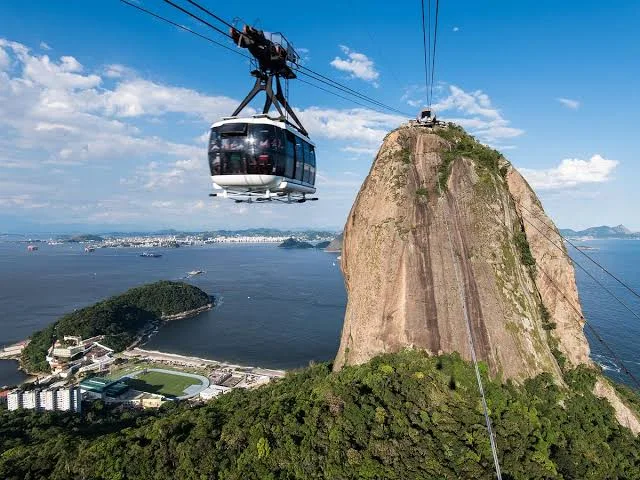
Urca, Rio de Janeiro, Brazil Open in Google Maps Photo Credit to Só Jesus salvar
Two cable cars, one after the other. Up to Morro da Urca first, then the second leg across to the Pão de Açúcar itself, glass on all sides and the bay dropping away underneath.
I went up in the late afternoon, around half past three, and walked straight on with no wait. The mornings around half eleven are apparently quiet too. Sunset is the reason everybody comes, and the top fills up accordingly, with a DJ playing and people three deep at the rail.
The coming down is the problem. Everyone leaves at once and the queue for the cable car is long and slow. There is a trail down instead, about twenty-five minutes, and they make you sign a waiver about snakes. In the dark I decided against it.
There are cafés and bars scattered over both peaks, more of a small hill town than a viewpoint.
At the bottom there is a beach right at the foot of the rock, so I went straight there.
Red Beach
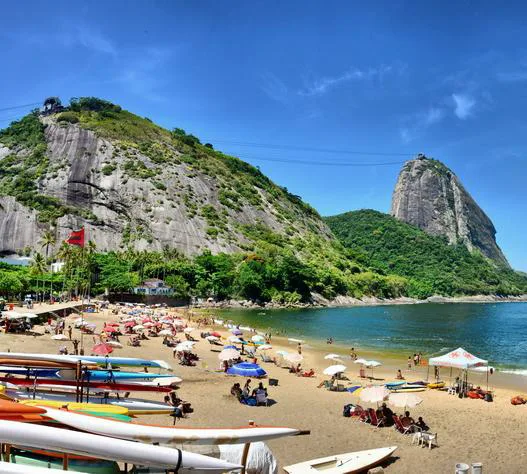
Rio de Janeiro, Brazil Open in Google Maps Photo Credit to Sadam Jraibah
Small. Properly small, a curve of sand at the base of Sugarloaf with the mountain right there above you, close enough to feel.
It is a fraction of the size of Copacabana and a completely different feeling, wilder and more local. I rented a chair and umbrella for twenty reais and sat with the rock filling half the sky. Vendors come past with drinks and they are cheap.
The swimming is not really swimming. Red flags go up often and there is a lifeguard on duty for a reason. Plenty of people just paddle at the edge and sunbathe.
There was some rubbish on the sand, which is a shame and which several people have grumbled about. It does not ruin it, but it is there.
Come at sunrise if you can face it. Apparently at five in the morning there is nobody, and the light is what gives the beach its name. I did not manage it. Instead I wandered around the headland to the sea wall where everybody in Urca seems to end up.
Bar e Restaurante Urca
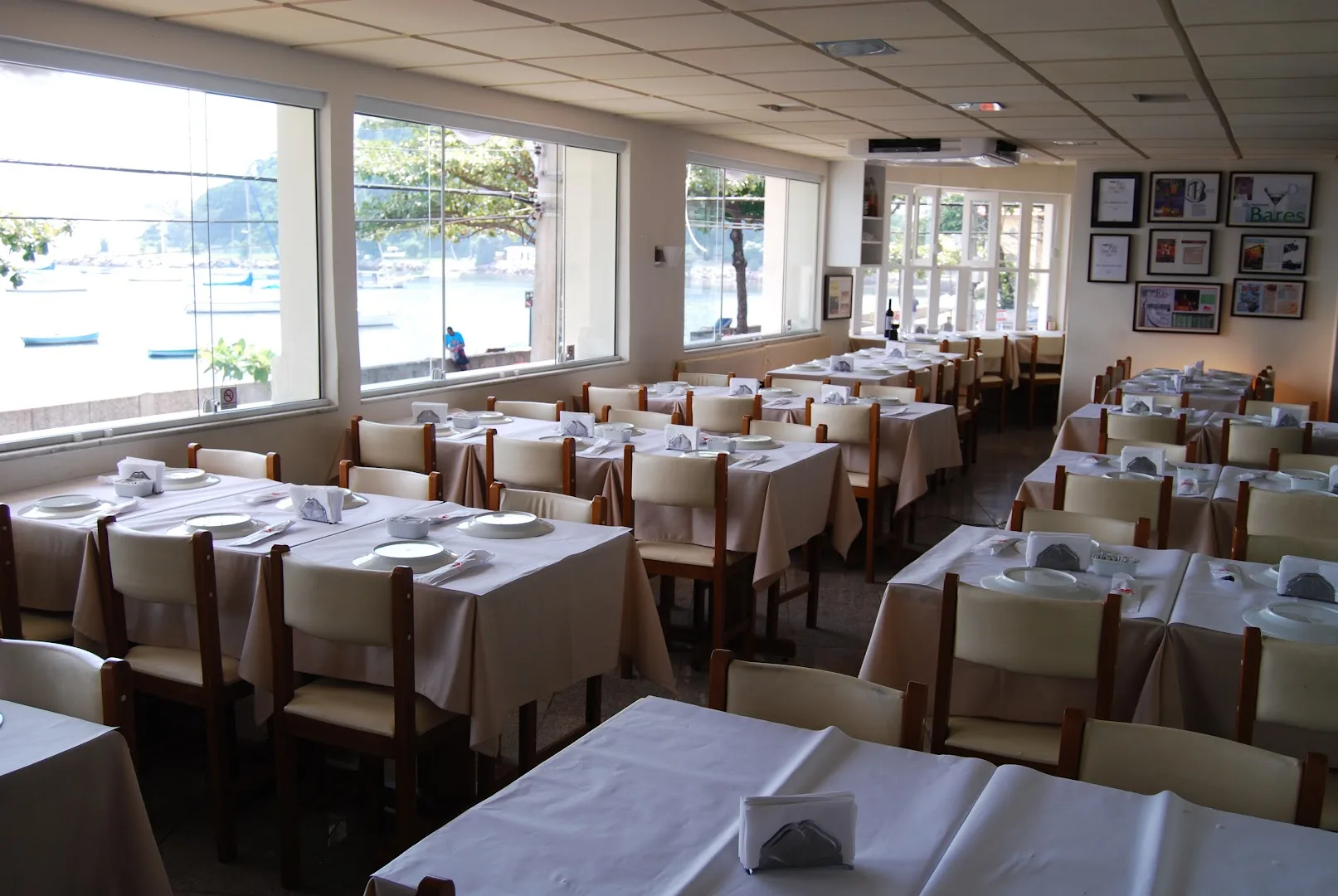
R. Cândido Gaffrée, 205 – Urca, Rio de Janeiro – RJ, 22291-080, Brazil Open in Google Maps Photo Credit to Bar Urca
Here is how it works. There is a proper restaurant upstairs with windows over the bay, and there is a takeaway counter downstairs. Most people queue at the counter, get pastel and a cold beer, then cross Rua Cândido Gaffrée and sit on the sea wall to eat it. That is the whole ritual and it is one of my favourite things in the city.
No tables, no chairs. Just the wall, the water, Sugarloaf on your right and the light going orange over everything.
I had a fried fish milanesa with rice and slaw and a thick shrimp stew, and honestly the food is fine rather than remarkable. Nobody is here for a tasting menu. They are here to sit with friends and a beer as the sun drops behind the hills.
Weekends it gets packed and you wait twenty or thirty minutes. Keep an eye on your drink, as you would anywhere.
I crossed back over to Copacabana afterwards, about fifteen minutes by car.
Forte de Copacabana
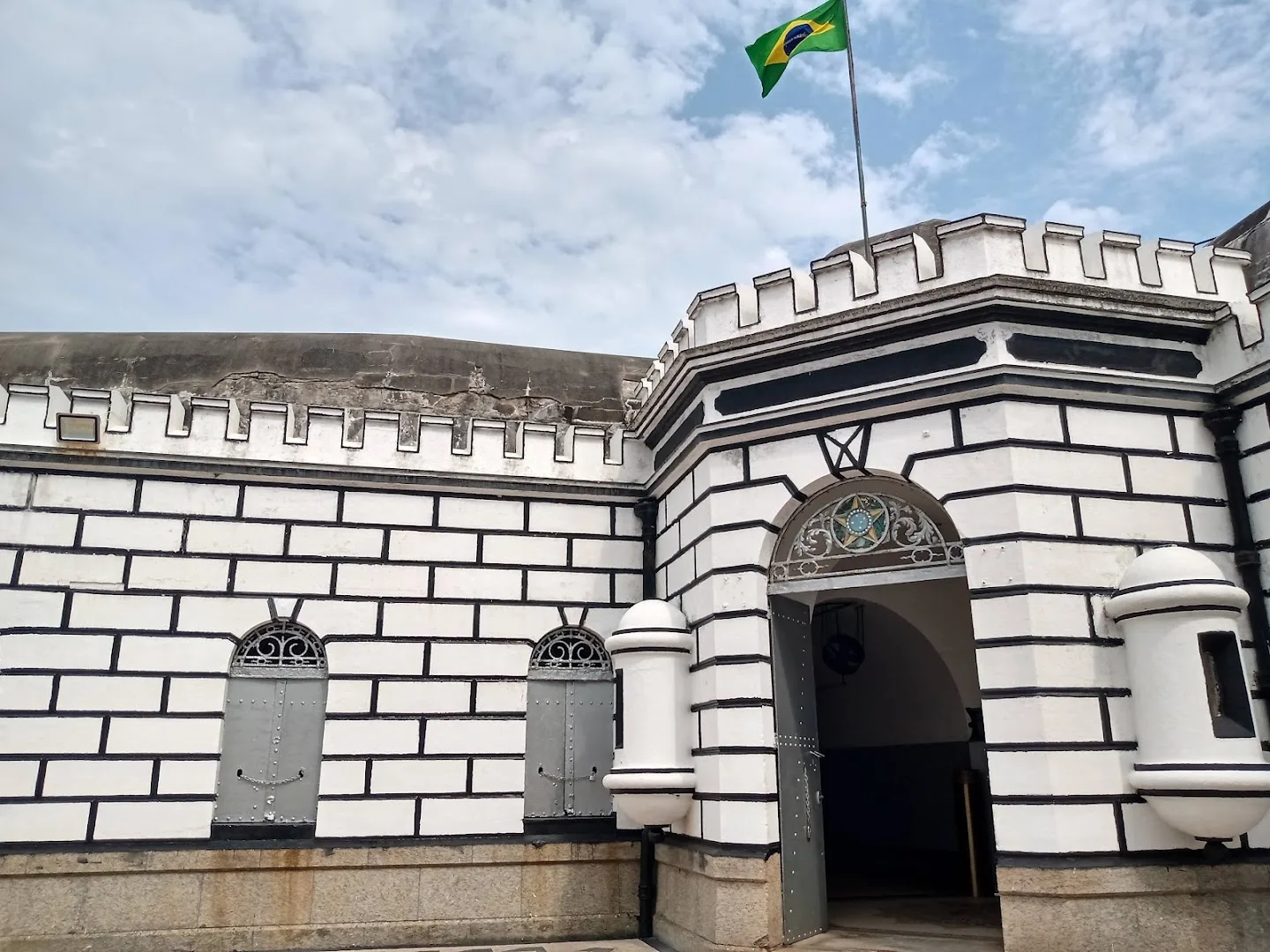
Praça Cel. Eugênio Franco, 1, Posto 6 – Copacabana, Rio de Janeiro – RJ, 22070-020, Brazil Open in Google Maps Photo Credit to Silvana Barboza
Ten reais. Cash only, which is unusual in Rio now and catches people out at the gate, so have notes.
The fort sits at the far end of Copacabana on Praça Coronel Eugênio Franco, so you get the entire curve of the beach from one side and open ocean from the other. The twin 305mm gun turrets are still there and you can go down into the works underneath, which is cool and dim and gives a real sense of what it was like to be stationed here.
The museum labels are in Portuguese only. Google Translate handles it fine if you are patient.
There are cafés along the sea wall inside the walls, and this is the good bit. Sit with a coffee looking straight down the beach with the mountains stacked behind it. Come a couple of hours before sunset and stay.
I went inland after that, a short ride over to Botafogo, for bread.
The Slow Bakery
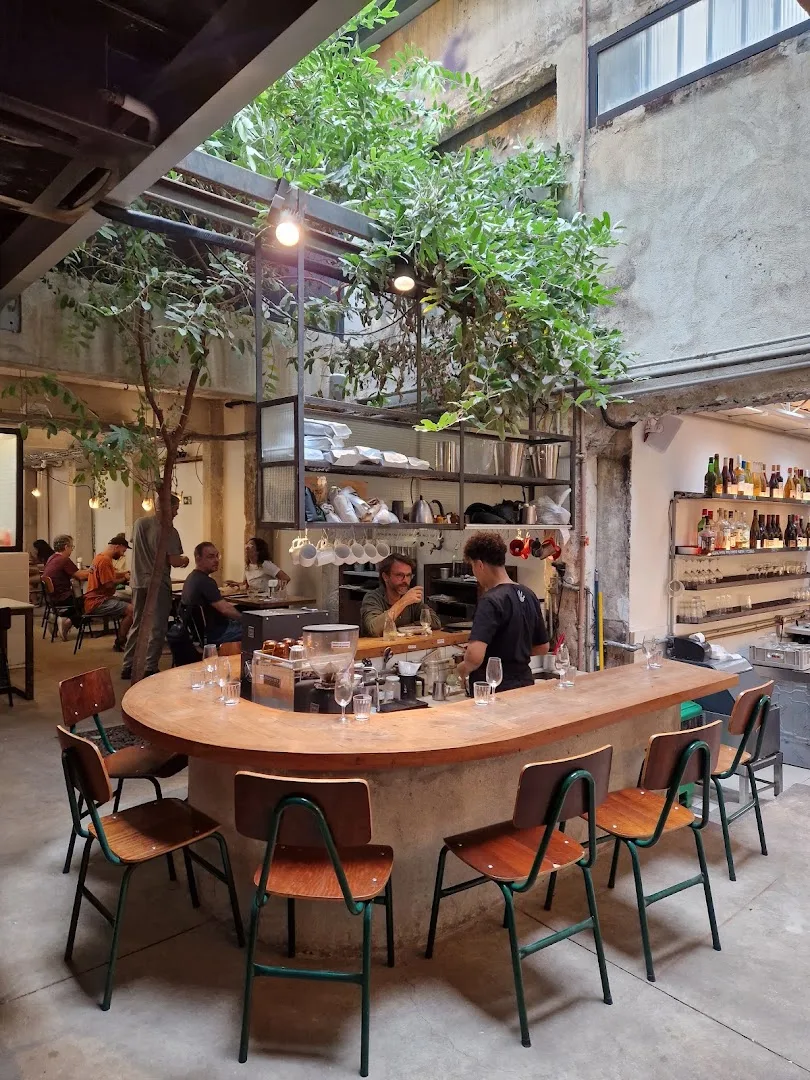
R. General Polidoro, 25 – Botafogo, Rio de Janeiro – RJ, 22280-004, Brazil Open in Google Maps Photo Credit to Nadja Eriksen
High ceilings, plants everywhere, a lot of steel and light. It feels like a greenhouse that learned to make sourdough.
The bread is the best I found in Rio and it is not close. I had the croque, made on that sourdough, the sour edge of the loaf holding up against the ham and cheese, and it was excellent. The French toast is apparently the thing people come back for repeatedly. There is a pink hibiscus lemonade that I ordered because the colour was absurd and then finished in about a minute.
It is expensive by Rio standards. You are paying roughly what you would pay in London, and some people find that hard to swallow when a padaria round the corner does perfectly good pão de queijo for a fraction.
Service can be slow and a bit distracted. Coffee was good the day I went, though I have heard otherwise.
It sits on Rua General Polidoro, an easy safe walk from the Botafogo metro. From there I went back out to the coast road for the last of the light.
Copacabana Beach
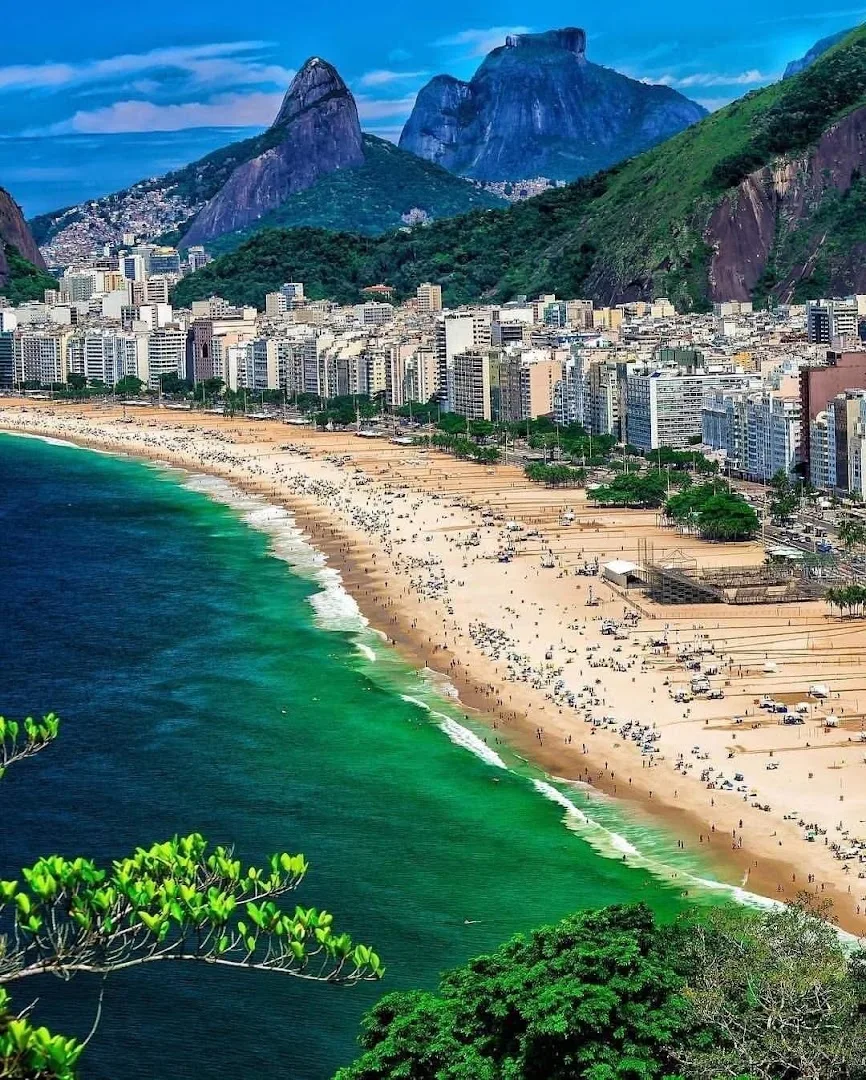
Rio de Janeiro, Brazil Open in Google Maps Photo Credit to Amine Benfatta
Late afternoon on the black and white wave-pattern promenade and it is the busiest stretch of sand in the city by a distance.
Football and volleyball games going in every direction, an outdoor gym built right on the sand with people working out in the heat, joggers, dogs, vendors every twenty steps. The energy is the point. Ipanema is nicer to lie on. Copacabana is better to walk through.
The water is rougher than it looks and the lifeguards are busy every single day, so do not go out deep and do not let children out of reach.
Be careful with your things here. I heard more stories about theft on this beach than anywhere else in Rio, including a distraction trick where something gets thrown at you and someone helps you clean it off. Leave anything you would mind losing at the hotel.
In the evening the beachfront bars have live music and people dancing between the tables. I stayed until the sky turned, then went west along the coast road.
Mirante do Leblon
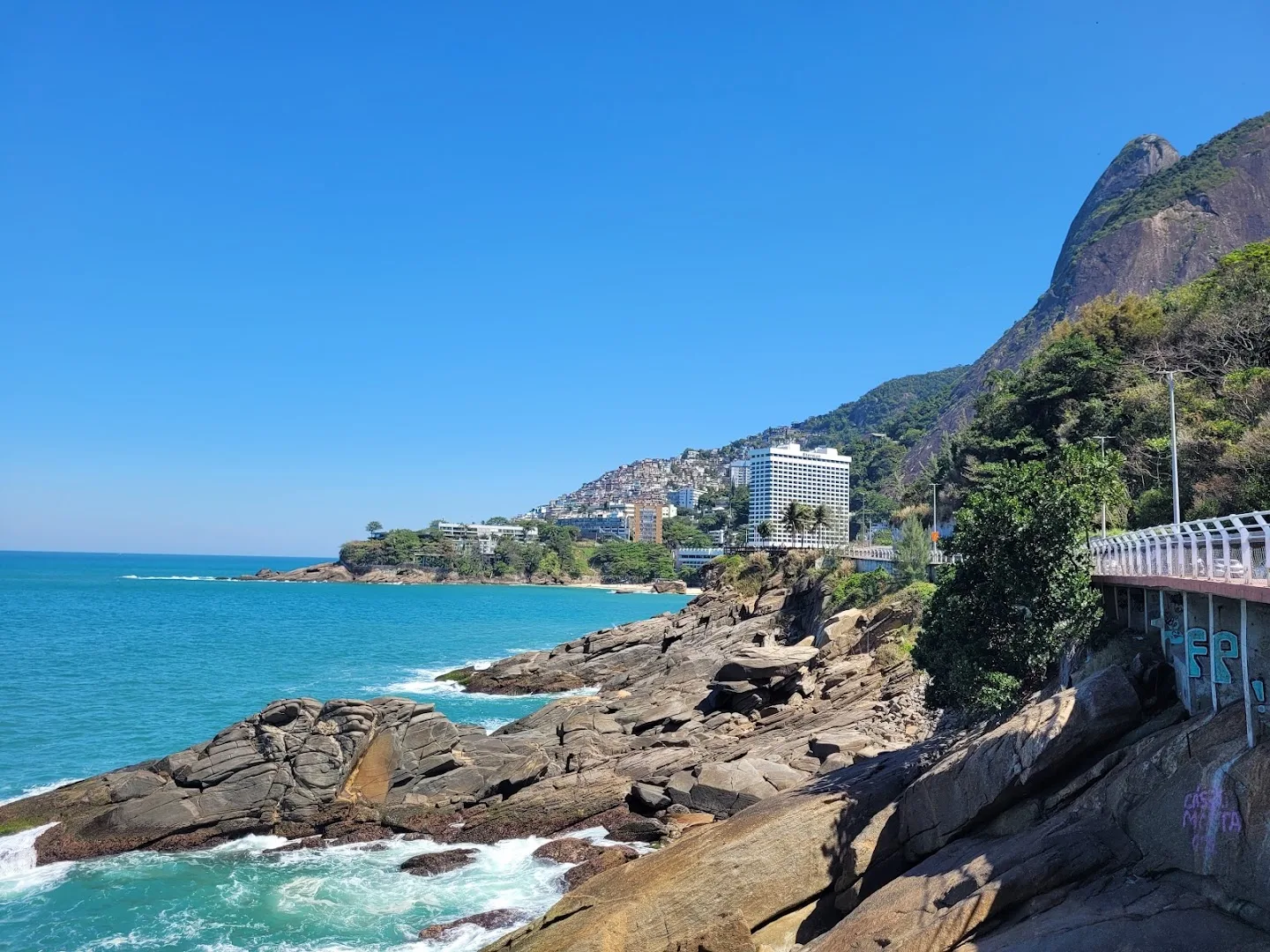
Av. Niemeyer – Vidigal, Rio de Janeiro – RJ, 22450-220, Brazil Open in Google Maps Photo Credit to Sandra T K
Just before the sky started turning, up on Avenida Niemeyer where the road climbs out of Leblon and hugs the cliff.
It is a simple wooden deck. That is all. But from it you see the full sweep of Leblon and Ipanema laid out in one line, the Dois Irmãos peaks rising at the end, and Rocinha climbing the hillside above. Nothing between you and the water.
Two kiosks up here selling coconut water for eight reais and lime caipirinhas for around twenty-eight, plus a ten percent service charge on top, which is standard here and replaces tipping.
Far fewer people than the famous viewpoints. I had long stretches with the rail almost to myself, which after five days of queues felt like a gift.
You can cycle up from Leblon and there is bike parking, or take a car and walk the last five minutes. Either way, stay past sunset. The whole coast lights up beneath you and the sound of the traffic falls away and the day just ends there, quietly, which is exactly how I wanted it to.
Day 5, One Last Long Table in Botafogo
The last day I gave up on sightseeing entirely. I walked, I packed badly, and I went out for one proper meal.
Botafogo has a lot of small streets with one good thing on them. This was mine.
Adega da Velha
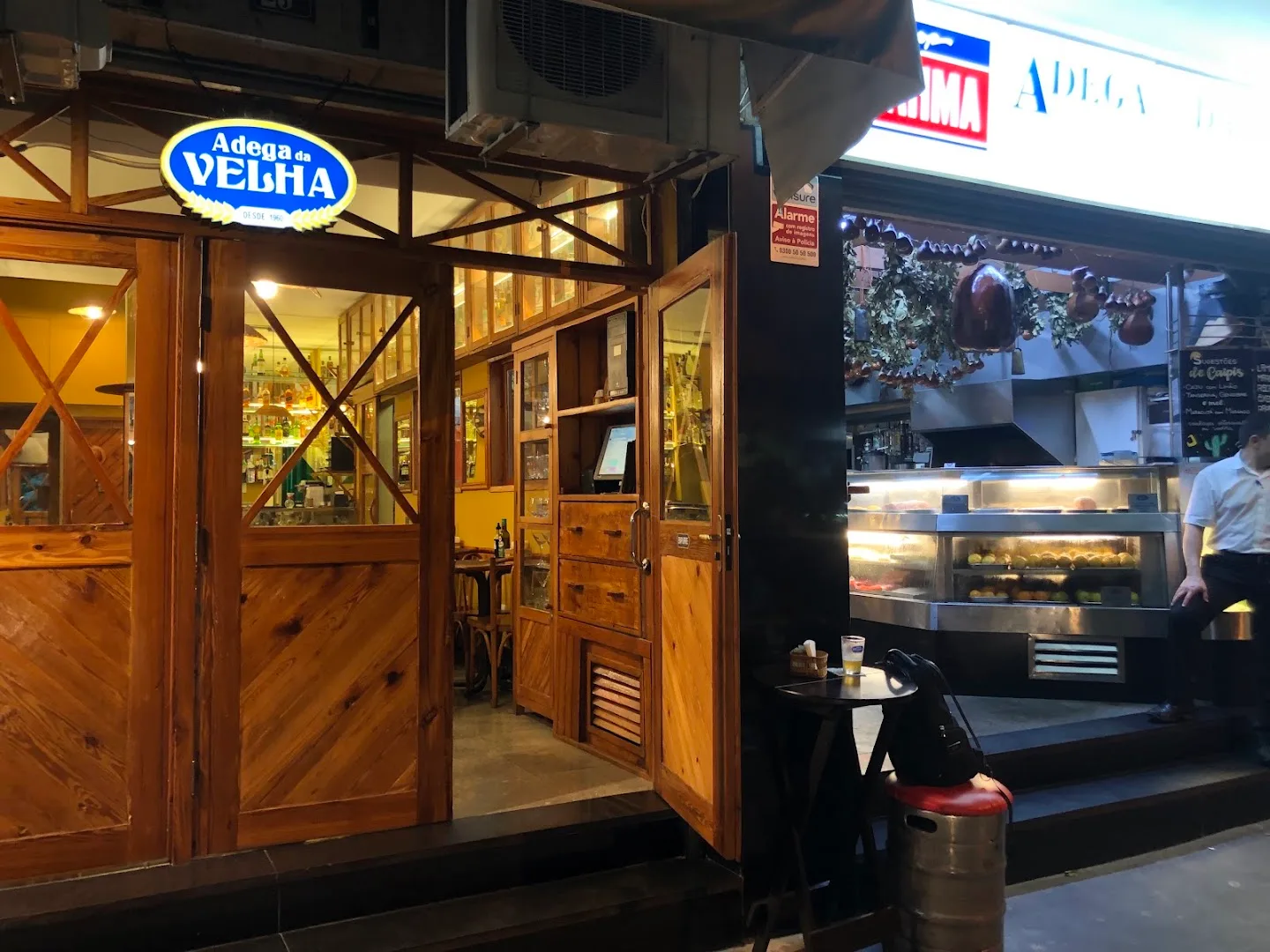
R. Paulo Barreto, 25 – Botafogo, Rio de Janeiro – RJ, 22280-010, Brazil Open in Google Maps Photo Credit to Guilherme Wagner
Last night. I did not want anything grand.
Adega da Velha is on Rua Paulo Barreto in Botafogo, a small street with not much else on it, and the food is northeastern Brazilian. Carne de sol, dried and salted beef, that sort of thing. Big portions at fair prices and very cold chopp poured properly.
Take the tables out on the pavement if the wind allows. The room inside is fine but the street is better, and it was still warm at nine.
It is honest rather than refined. The meat can come out chewy and it is salty by design, which is the whole point of the cuisine but does surprise people. It has changed hands recently and been done up, so it is a bit smarter than it was.
I sat there with a beer and my notebook and a plate I could not finish, watching Botafogo go by, and thought about how much of Rio I had not managed to see. That felt like the right note to leave on.
Five days is enough to get a shape of Rio and nowhere near enough to finish it. I left with a list of things I did not do, which I always take as a good sign. Niterói on the ferry. The Dois Irmãos climb. A proper night in Lapa rather than one.
If you go, be flexible about the order. Weather here changes the plan more than the map does, and the famous viewpoints are only worth it on a clear day. Save the cloudy ones for the library and the museums.
Tell me what you would add. I already know I am going back and I would rather not repeat myself.